Home/China Tours/Minority Culture Tour
Guided Photography Tour

The 16-Day China Minority Culture Photo Tour

Tour code CPT-MC16 · Starts and ends in Hong Kong · Year-round departures, best in April–October · Maximum 4 guests · English-speaking photographer-guide

Duration
16 Days / 15 Nights
Group Size
Max 4 Photographers
Difficulty
Moderate (stairways)
Starts / Ends
Hong Kong / Hong Kong
Tour Summary

Sixteen days at a glance

Four provinces and six peoples — Hakka, Miao, Dong, Yao, Zhuang and Tujia — stitched into one route that runs from the walled villages of the southern coast to the silver headdresses of Guizhou and the pillar forests of Zhangjiajie.

All sixteen days — route, signature shoot and hotel — in one table.
DayRouteSignature ShootOvernight & hotel
01Hong Kong → ShenzhenGear check; Shenzhen Bay at duskShenzhen Hotel, Shenzhen
02Shenzhen: Hakka villagesGankeng walled houses; skyline blue hourShenzhen Hotel, Shenzhen
03Shenzhen → Guiyang → XijiangXijiang Qianhu Miao village at blue hourQianyun Shanfang Hotel, Xijiang
04Xijiang → Langde → XijiangTwelve-gate wine welcome, Miao costume and silverQianyun Shanfang Hotel, Xijiang
05Xijiang → Basha → ZhaoxingBasha gunmen and sickle haircut; Zhaoxing at blue hourQingdingge, Zhaoxing
06Zhaoxing → LongjiJinkeng Dazhai terraces at sunset and after darkTianjian’ge, Ping’an, Longji
07Longji → Xianggong Hill → YangshuoSeven Stars Around the Moon; the Li River bend at sunsetYuewu, Yangshuo
08Yangshuo & XingpingCormorant fisherman silhouettes at XingpingYuewu, Yangshuo
09Xianggong Hill dawn → GuilinGod rays over the bend; Sun & Moon PagodasJingguan Minglou, Guilin
10High-speed rail to FenghuangTuo River lanterns and stilt houses at nightAll Season Hotel, Fenghuang
11Fenghuang Ancient TownMist on the Tuo; Miao costume portraitsAll Season Hotel, Fenghuang
12Fenghuang → Furong TownWaterfall town long exposureFurong Ancient Town
13Furong → Zhangjiajie NFP: Yangjiajie & YuanjiajieNatural Great Wall; the floating pillarsSummit hotel, inside the park
14Tianzi Mountain & Ten-Li GallerySunrise over the pillar seaSummit hotel, inside the park
15Park → Tianmen MountainTianmen Cave, 99 hairpin bends, glass walkwayGarden Holiday Hotel, Zhangjiajie
16High-speed rail to Hong KongOptional last dawn; train to West Kowloon—
Sixteen Frames

The people and places you will be photographing

Silver headdresses, drum towers, terraced hillsides and a town built around a waterfall — the six anchors of the route, all photographed on location.

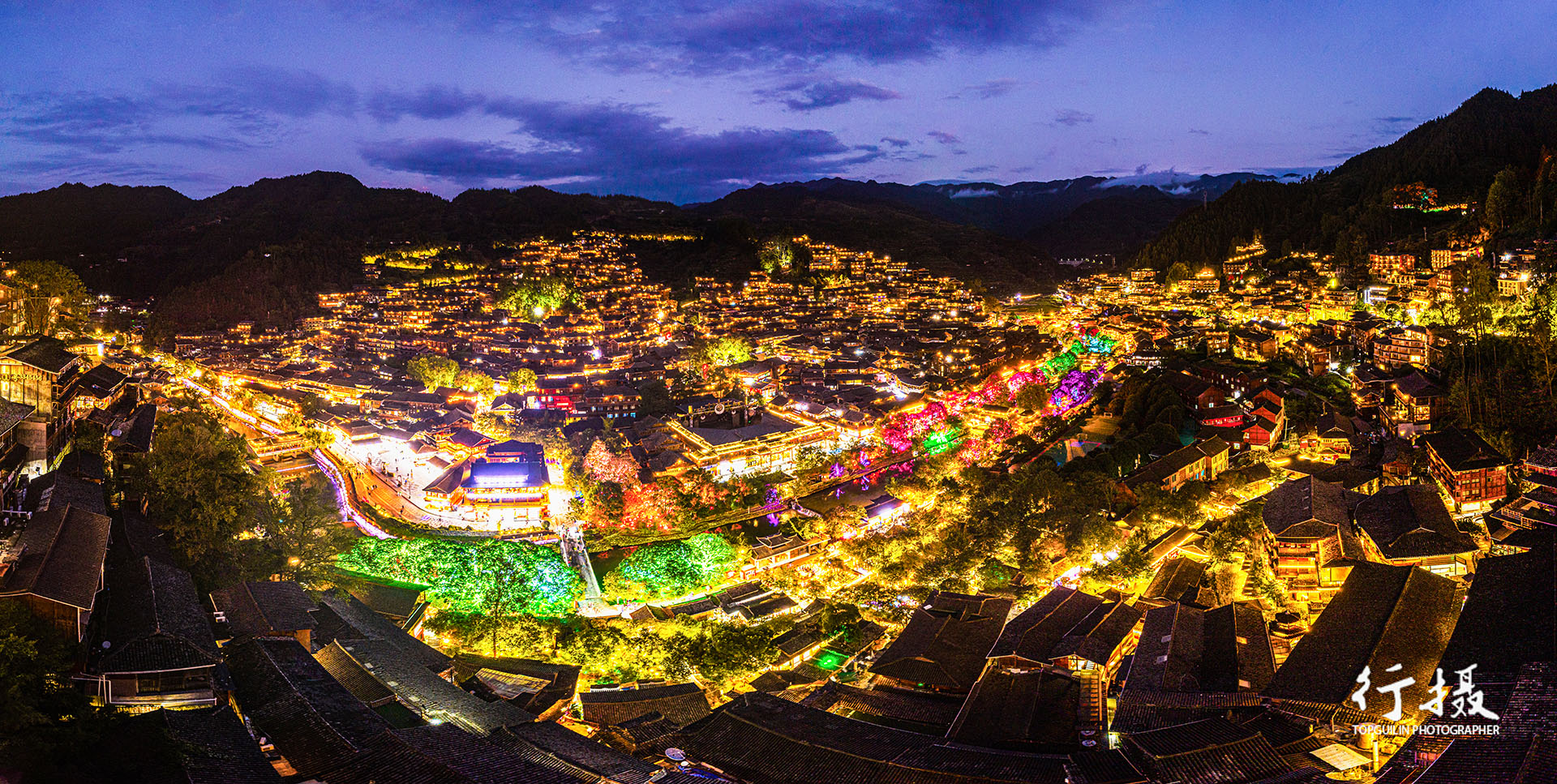
Xijiang Qianhu Miao Village at blue hour, thousands of stilt houses lit across both slopes of the valley
Xijiang — the sea of rooflights
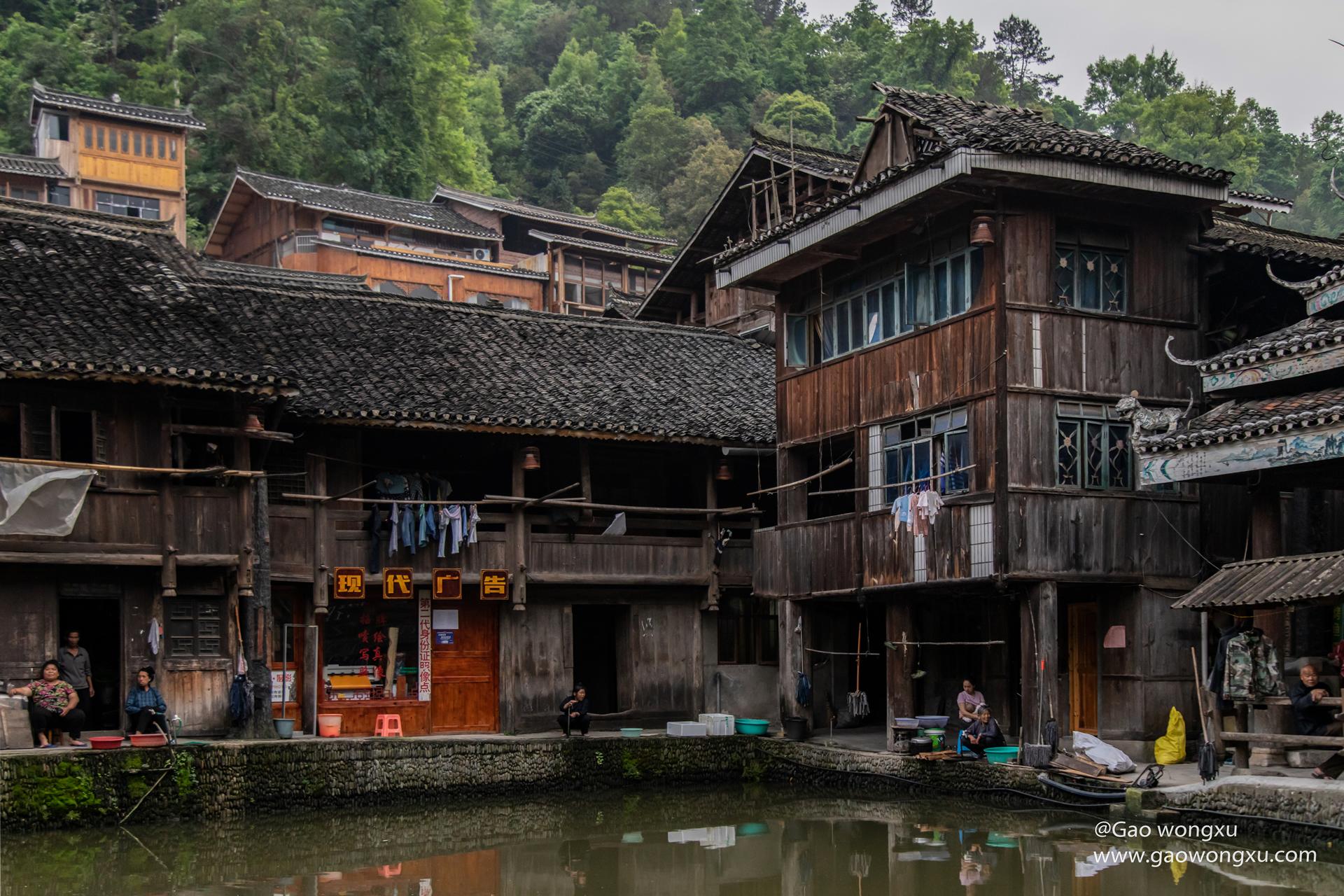
Wooden Dong stilt houses of Zhaoxing reflected in a village pond
Zhaoxing — stilt houses and pond
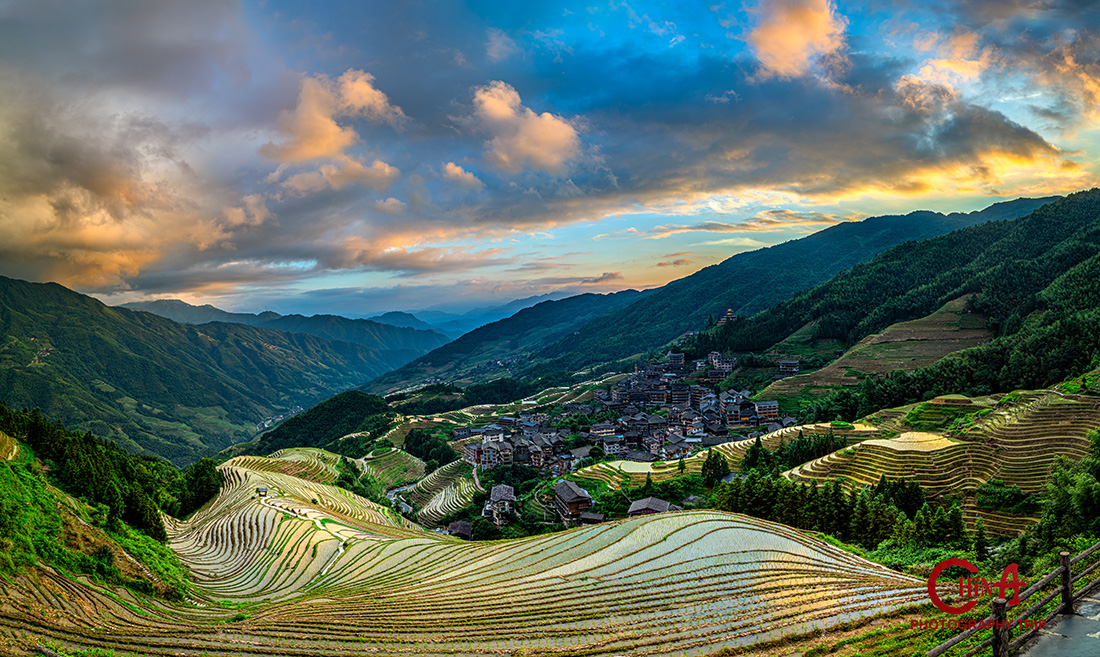
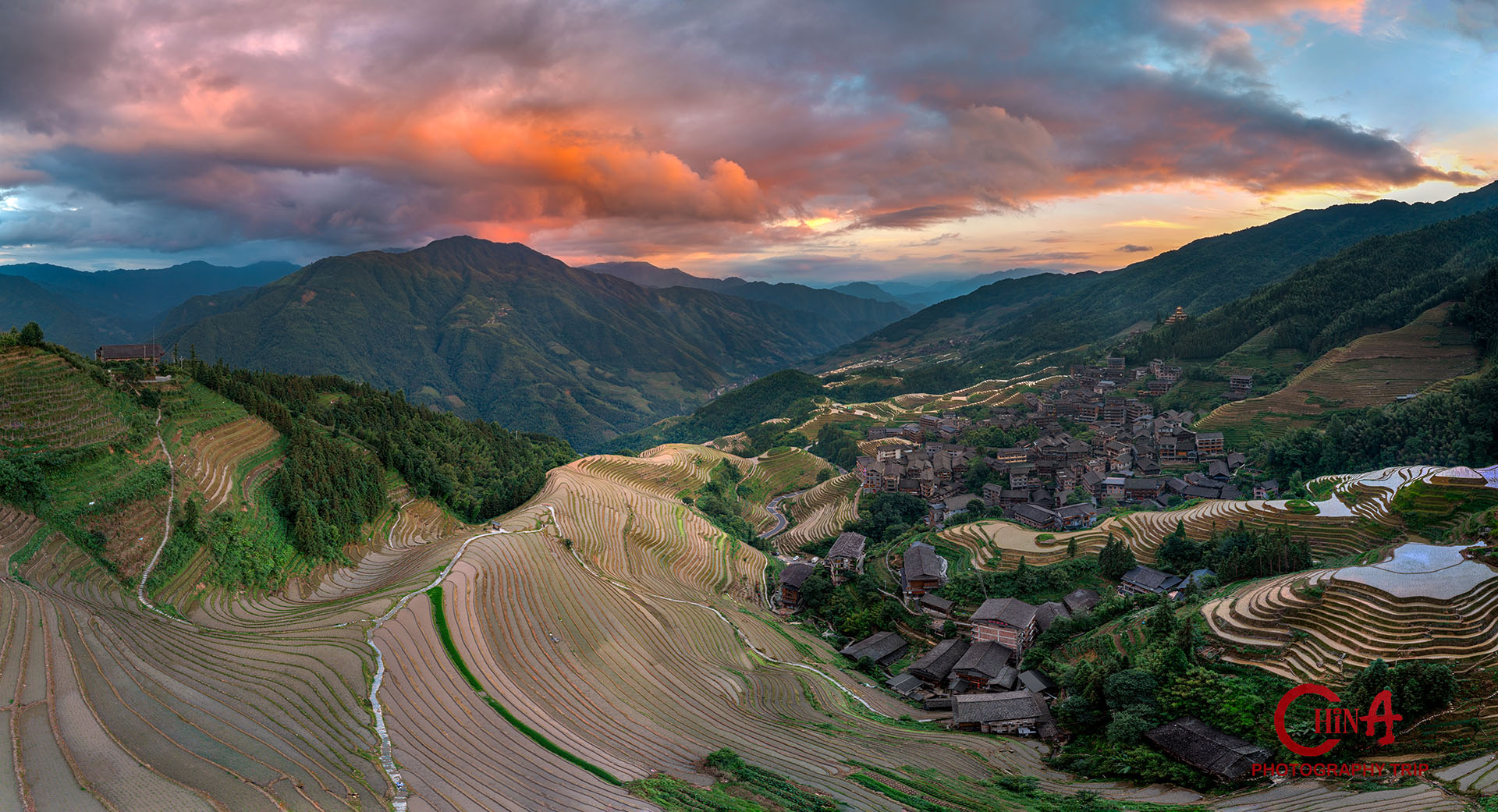
Longji rice terraces glowing at sunset above Jinkeng Dazhai village
Longji — terraces at sunset
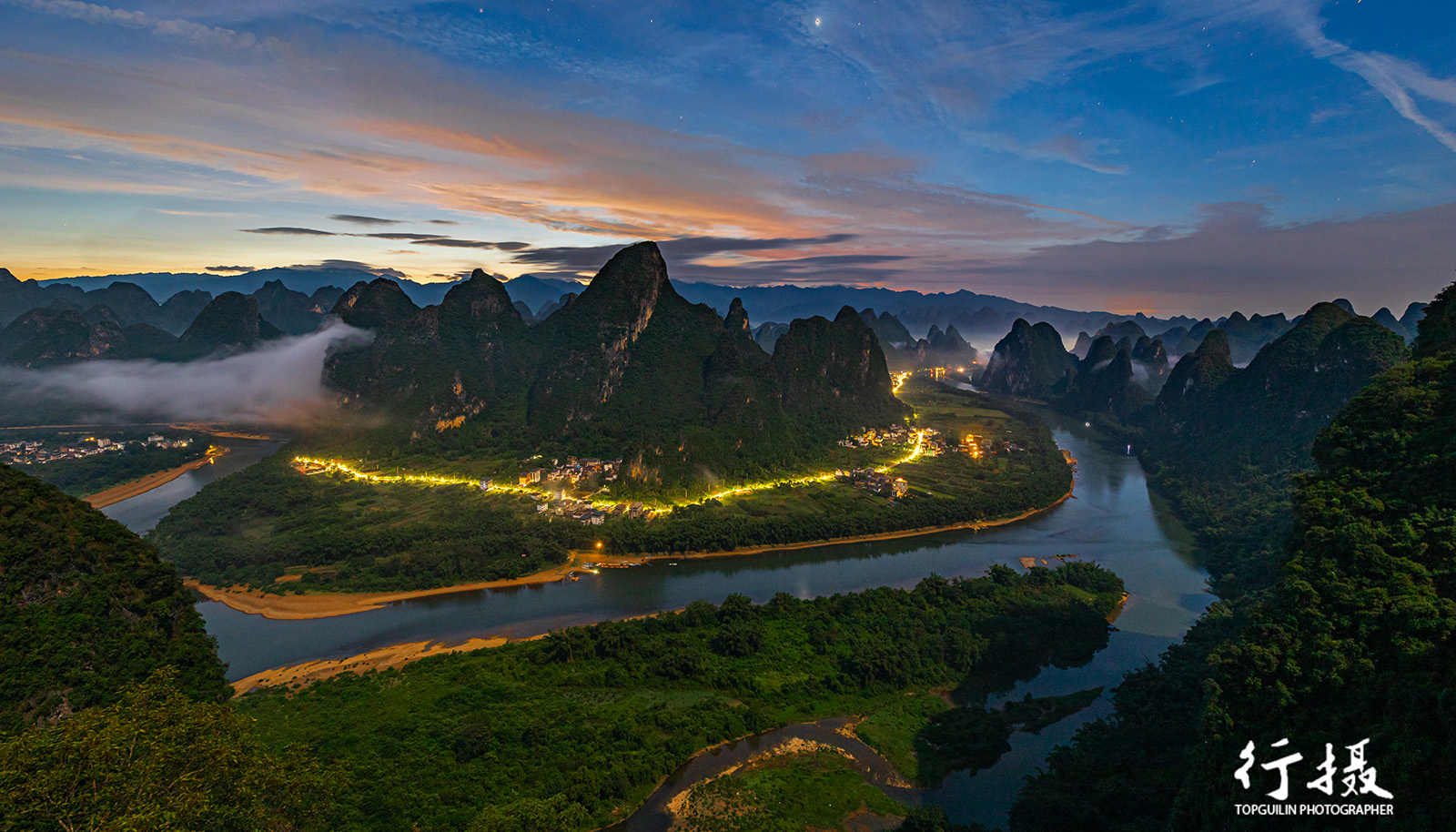
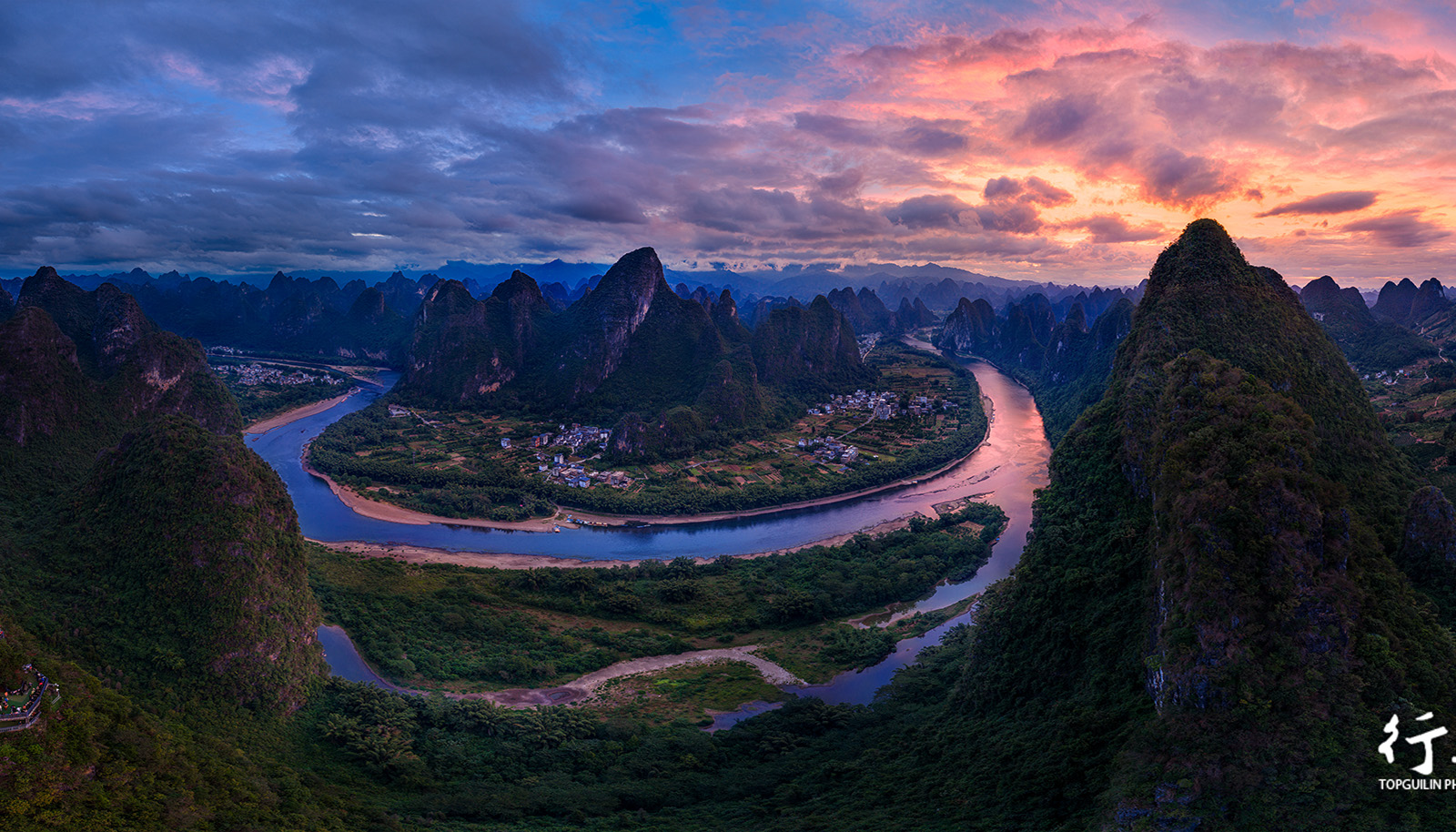
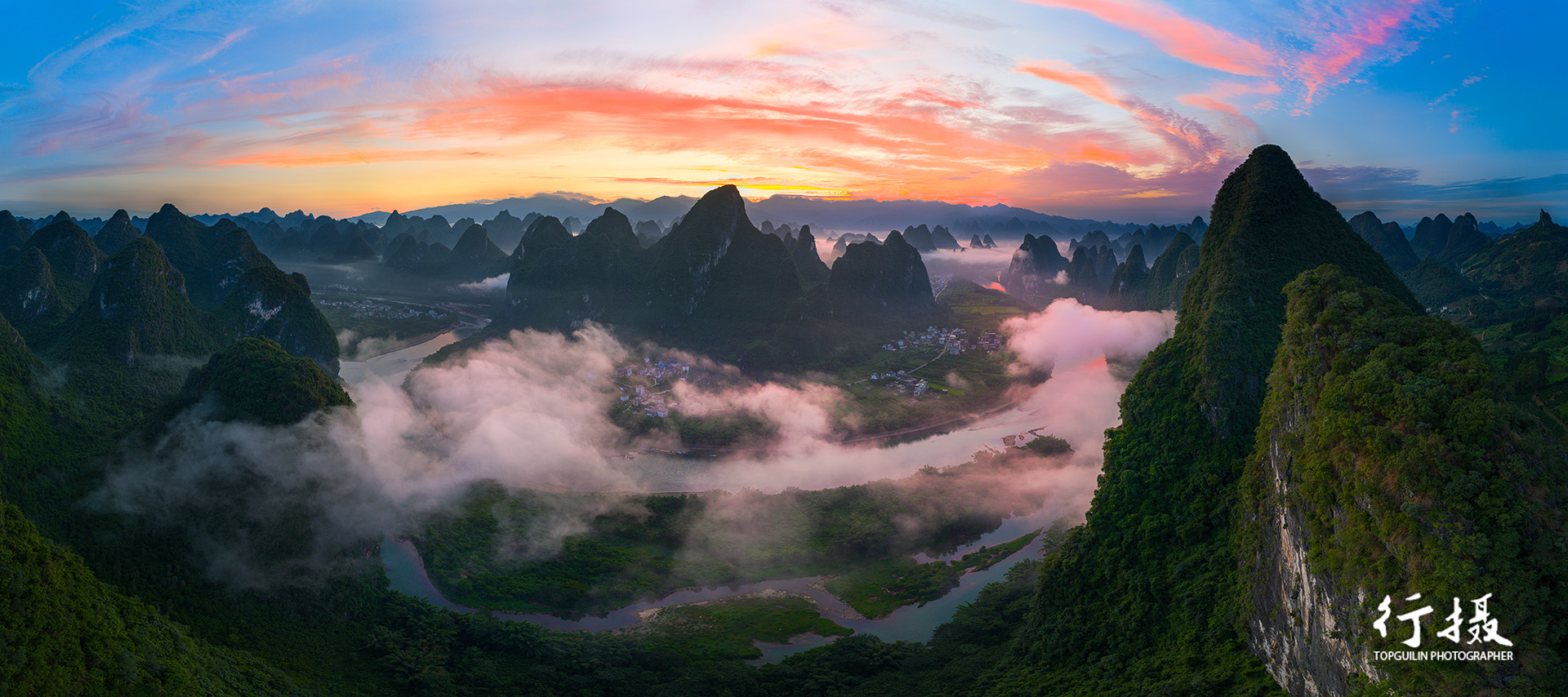
The Li River bend and karst peaks under sunrise cloud from Xianggong Hill
Xianggong Hill — the Li River bend
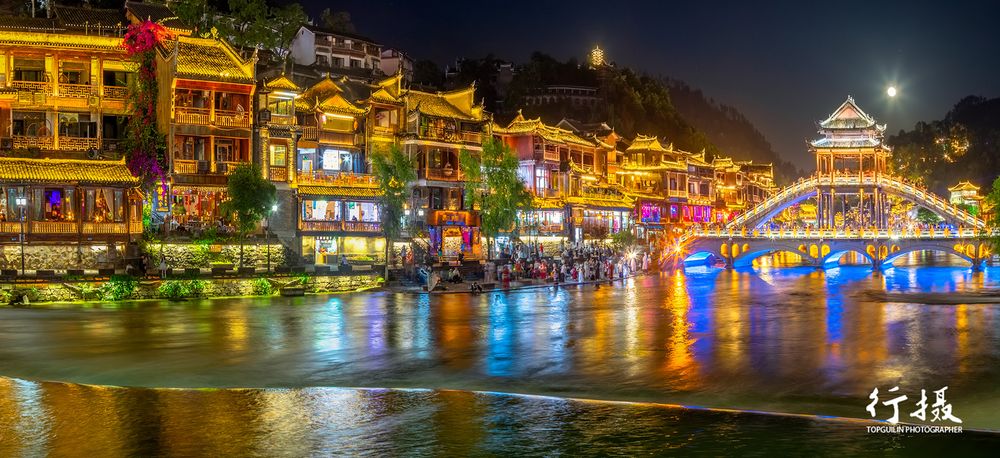
Lantern-lit stilt houses along the Tuo River waterfront in Fenghuang at night
Fenghuang — lantern waterfront at night
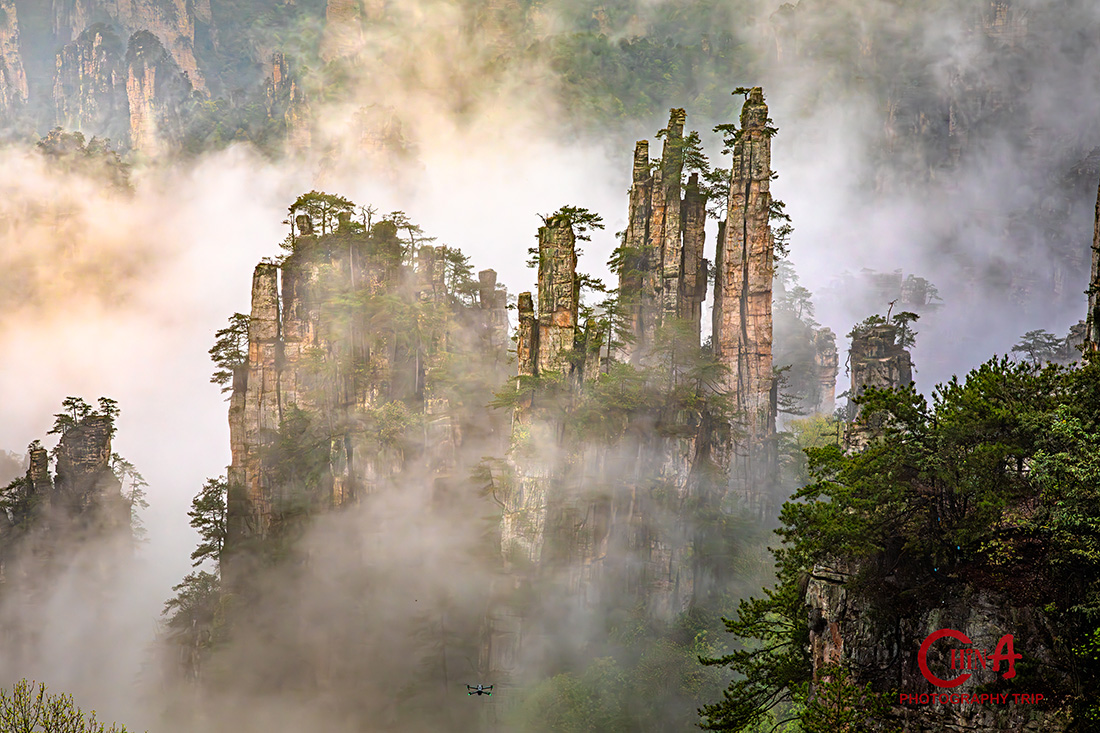
The towering sandstone pillar at Yuanjiajie known as the floating mountain, cloud below
Yuanjiajie — the floating mountain
Day by Day

The full 16-day itinerary

Ceremony times are fixed by the village, not by us — we build the light around them. Everything else moves for weather without hesitation.

Day
1
Hong Kong → Shenzhen

Where the silver roads begin

The route starts in Shenzhen — forty minutes from Hong Kong by high-speed rail out of West Kowloon, or one border crossing at Futian. Your guide meets you on the Shenzhen side, and the first afternoon belongs to logistics: hotel, local SIM, and a proper gear check while we are still within walking distance of a camera shop.

Shenzhen is not on the itinerary for its photographs. It is on the itinerary because it is the easiest place in southern China to fly out of and to replace what you forgot. We still shoot: the bay parks put clean water in the foreground and one of the densest skylines in the world behind it, and it warms up the exact problems you will meet in a Miao village — deep shade, hard contrast, people who are not performers.

Today’s plan
  • Afternoon  —  Border crossing or West Kowloon train; hotel check-in; gear check
  • 18:00–19:15  —  Shenzhen Bay at dusk — towers across the water (ISO 200–400, f/5.6–8, 24–70mm)
  • Evening  —  Route briefing and light planning over dinner

✦ Overnight: Shenzhen Hotel, Shenzhen
Day
2
Shenzhen — Hakka lanes and the city after dark

A walled Hakka village inside a city of eighteen million

Before we fly to Guizhou we spend a day on the Hakka — the Han group who built the fortified houses of the southern hills and who, like every group on this tour, arrived here from somewhere else. Gankeng Hakka Town keeps a cluster of them inside the city: white walls, dark tile, narrow lanes, a watchtower, and water between the houses.

The afternoon goes to Nantou, the old walled city that predates Shenzhen itself, where the alleys are still one storey high and the shrines are still used. Then back to the towers for blue hour, shot from the park with the lights coming on across the bay. It is a warm-up day, and it makes every village that follows easier.

Today’s shooting schedule
  • 09:30–12:30  —  Gankeng Hakka Town: walled houses, watchtower, lanes (ISO 200–400, f/4–8, 24–70mm)
  • 14:30–16:30  —  Nantou old walled city: alleys, shrines, doorways (ISO 400–800, f/2.8–5.6, 35 & 85mm)
  • 18:30–20:00  —  Skyline blue hour from the bay park (ISO 400–1600, f/5.6–8, tripod)

✦ Overnight: Shenzhen Hotel, Shenzhen
Day
3
Shenzhen → Guiyang → Xijiang Qianhu Miao Village

A thousand households on one hillside

An early flight to Guiyang, then three and a half hours east by road. The road drops into a valley and Xijiang opens up: more than a thousand Miao households stacked up both slopes of a river gorge, dark timber and grey tile against green. It is the largest Miao settlement in China, and it photographs like a whole landscape made of houses.

We arrive with time to walk the lanes before the light turns. Late afternoon is for the wind-rain bridges and the river; then we ride up to the viewing platform for the shot everyone comes for — the moment the village lights come on while the sky still holds colour. That window lasts about twelve minutes, and it is worth planning the whole day around.

Today’s shooting schedule
  • 07:00–10:30  —  Fly Shenzhen to Guiyang; drive east into Miao country
  • 16:30–18:00  —  Lanes, wind-rain bridges, river level (ISO 200–400, f/4–8, 24–70mm)
  • 19:00–19:40  —  Viewing platform: rooflights at blue hour (ISO 800–1600, f/2.8–5.6, tripod)
Xijiang Qianhu Miao Village at blue hour, thousands of stilt houses lit across both slopes of the valley
Xijiang Qianhu Miao Village — the sea of rooflights at blue hour

✦ Overnight: Qianyun Shanfang Hotel, Xijiang

Day
4
Xijiang → Langde Shangzhai → Xijiang

The twelve gates of wine

Dawn first: Xijiang in morning mist, when the smoke from a hundred kitchens hangs in the valley and the light is soft enough to hold detail in both the black tiles and the sky. Two hours here beats any hour of the previous evening.

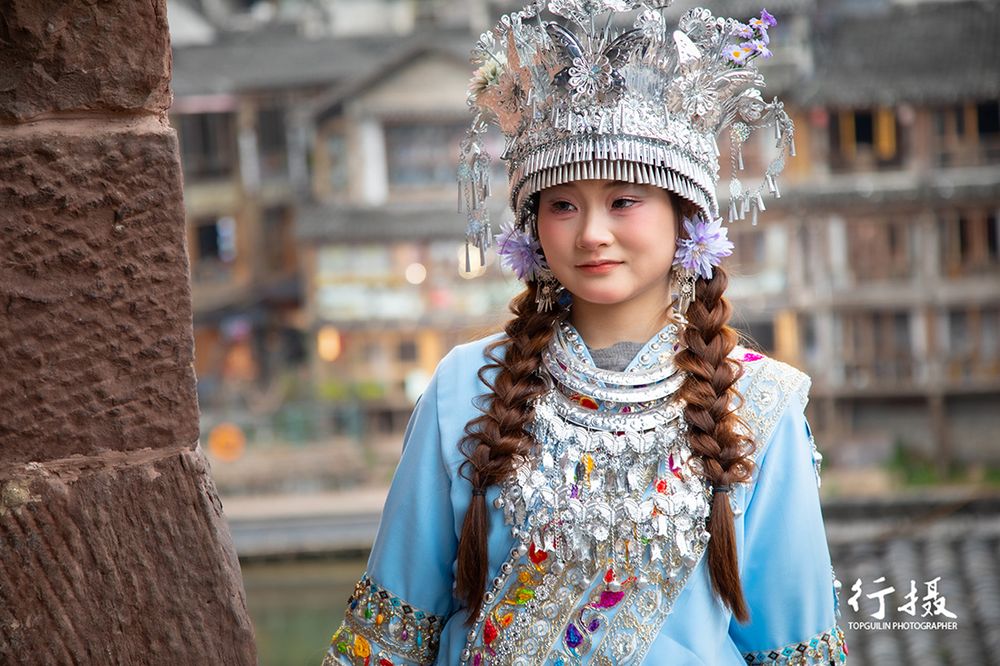
Then a short drive to Langde Shangzhai, a smaller and far quieter Miao village that still performs the full lanmen jiu — the blocking-the-door wine. Twelve tables up the stone stairway, twelve bowls of rice wine, a line of women in full ceremonial costume with silver headdresses and a lusheng pipe band. Guests are expected to drink and walk; photographers are expected to work fast and sideways. We arrange the ceremony in advance with the village, we pay for it, and we stay afterwards for portraits in open shade.

Today’s shooting schedule
  • 06:20–08:00  —  Xijiang in morning mist (ISO 200–400, f/5.6–8, 24–70mm)
  • 10:30–12:00  —  Langde twelve-gate wine welcome (ISO 400–800, f/2–4, 35 & 85mm)
  • 16:00–18:30  —  Costume portraits in open shade; silver detail close-ups (ISO 200–400, f/2.8–5.6, 85 & 100mm macro)
Close-up of a Miao woman's silver ceremonial headdress and embroidered collar
Miao silver headdress
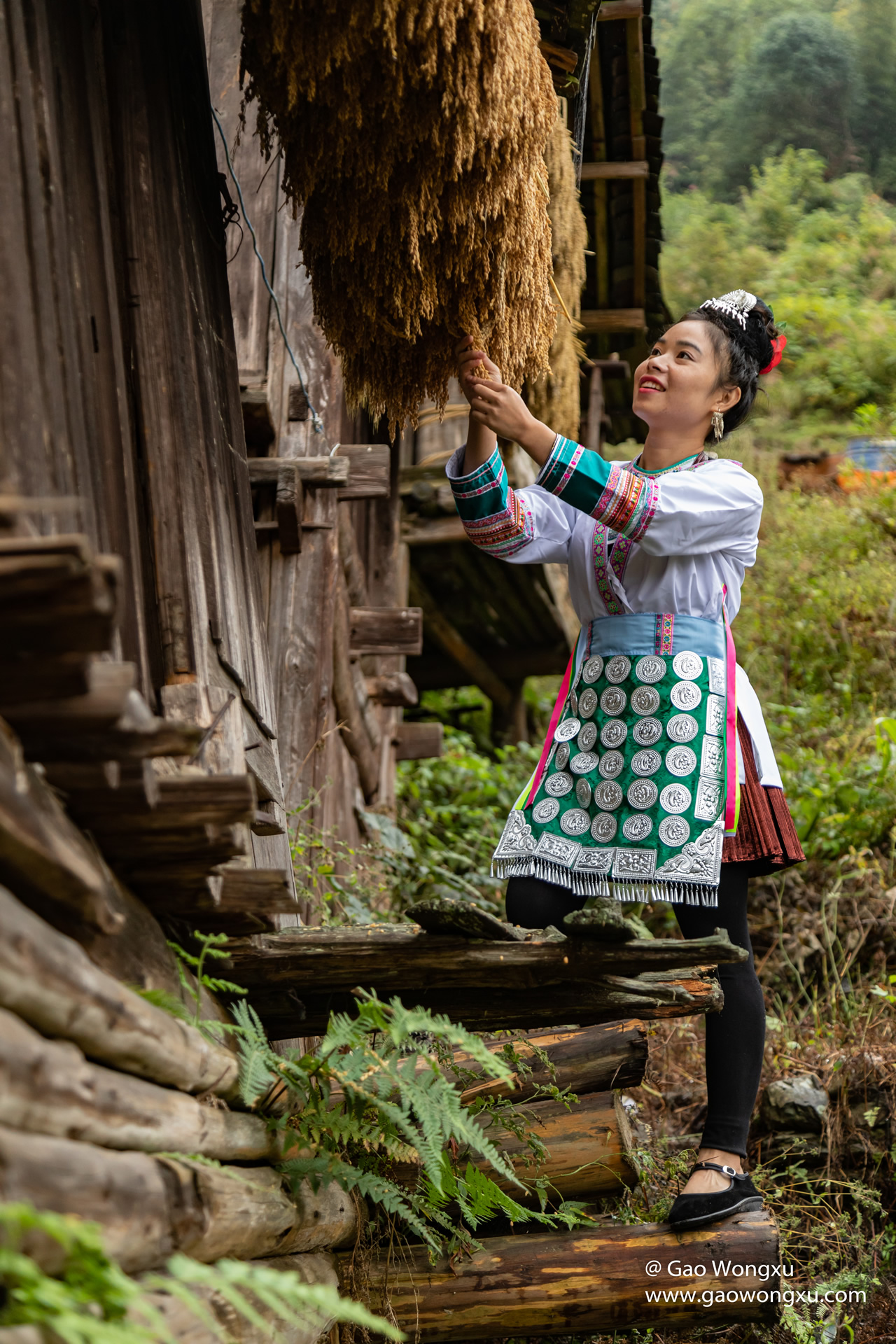
Miao woman in full embroidered festival costume with silver jewellery
Full festival costume — embroidery and silver

✦ Overnight: Qianyun Shanfang Hotel, Xijiang

Day
5
Xijiang → Basha → Zhaoxing

China’s last gunmen, then the drum towers

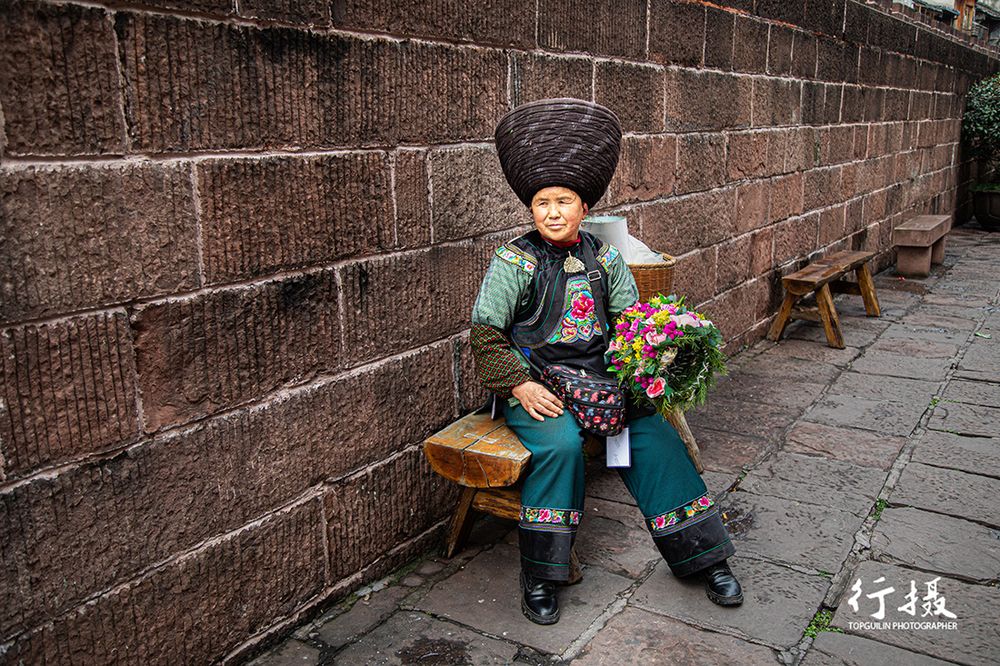
South to Basha, a Miao village of about five hundred households where men still carry muzzle-loading guns, shave the crown of the head with a sickle and wear their hair in a topknot bound with a woven band. It is not a performance put on for visitors — it is how the village looks. We photograph the sickle haircut, the gunmen against the bamboo, and the tree-planting ceremony if it falls on our day.

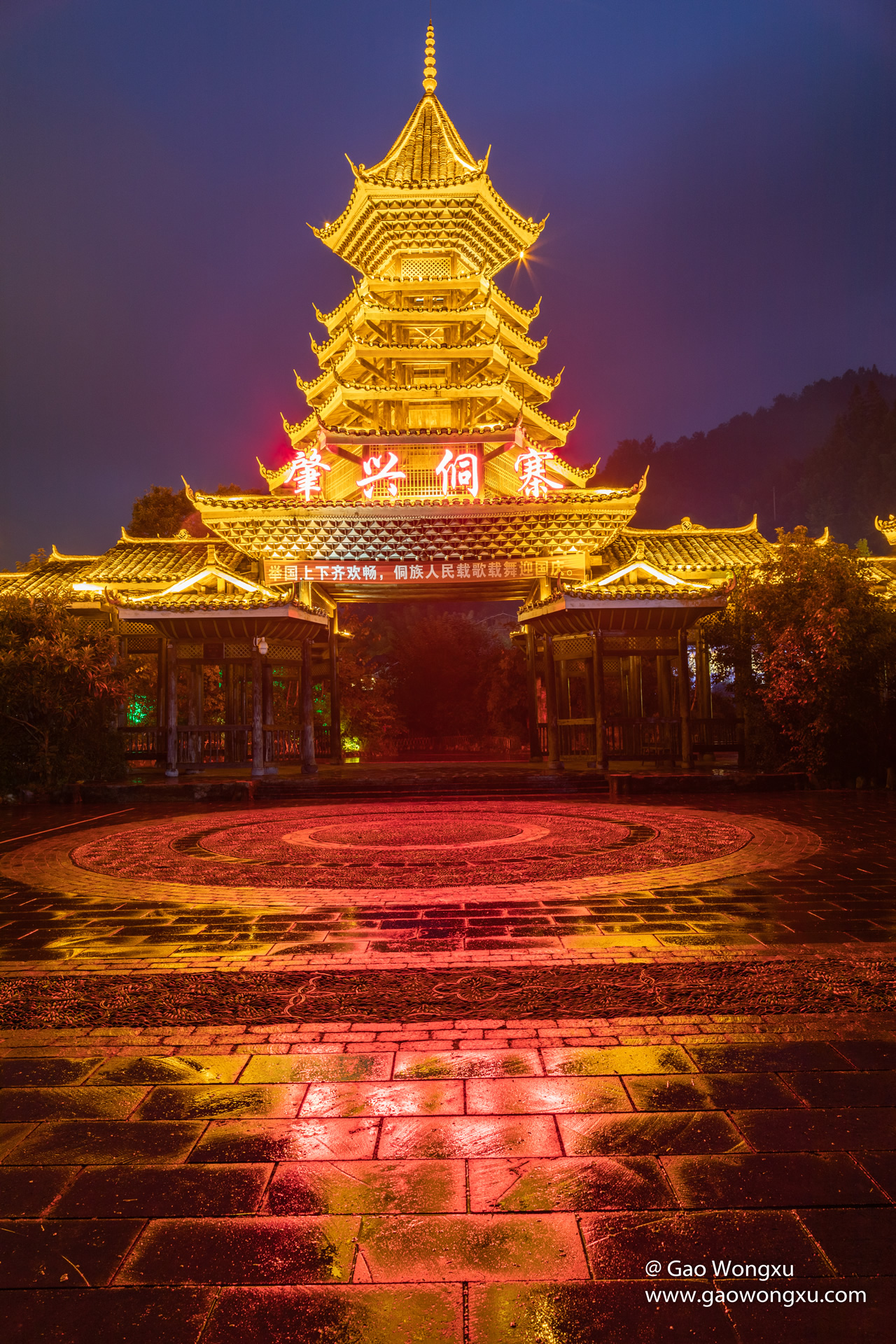
Then east into Liping county and on to Zhaoxing, the largest Dong settlement in China. We arrive for blue hour, which is the hour Zhaoxing was built for: five drum towers along one stream, each one lit from inside, reflected in the water between the stilt houses.

Today’s shooting schedule
  • 09:00  —  Depart Xijiang for Basha (2.5 h with stops)
  • 11:30–14:00  —  Basha: gunmen, sickle haircut, bamboo portraits (ISO 200–400, f/2.8–5.6, 35 & 85mm)
  • 19:15–20:15  —  Zhaoxing drum towers at blue hour (ISO 800–3200, f/2.8–4, tripod)
Miao village houses and terraced fields seen from the valley floor
Village and fields — the Basha approach
A Dong elder seated at the doorway of a timber house in Zhaoxing
An elder at his doorway, Zhaoxing

✦ Overnight: Qingdingge, Zhaoxing Dong Village

Day
6
Zhaoxing → Longji Rice Terraces

Down from the drum towers, up into the terraces

One last dawn in Zhaoxing — the same towers, different light, and usually no other photographers about — then a long transfer south-east into Guangxi. The drive is the longest of the tour, around five hours, and we break it at a Dong market town for street frames rather than at a service station.

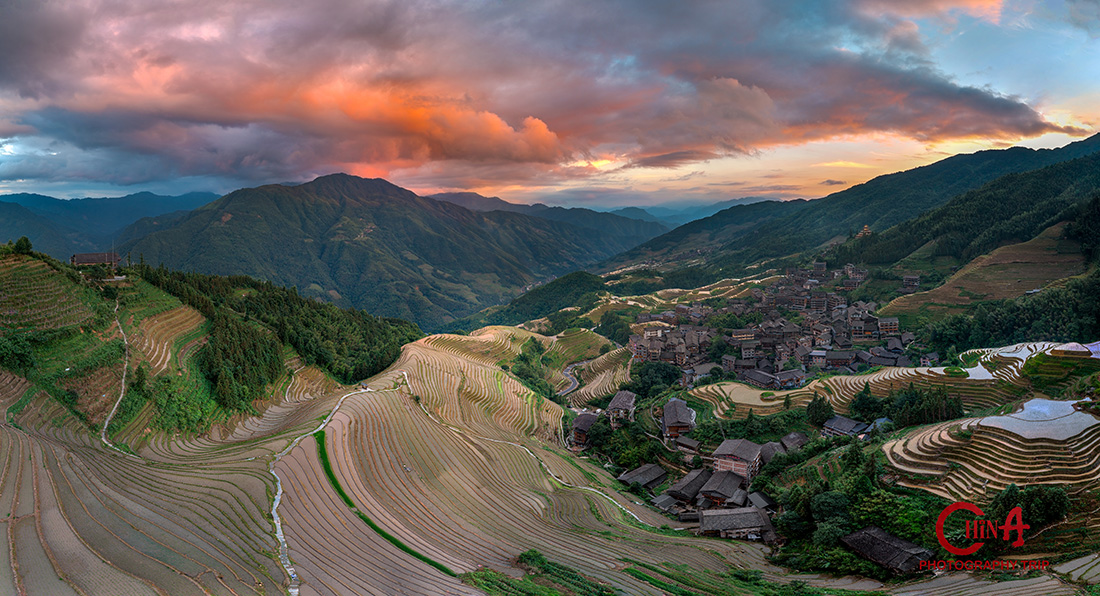
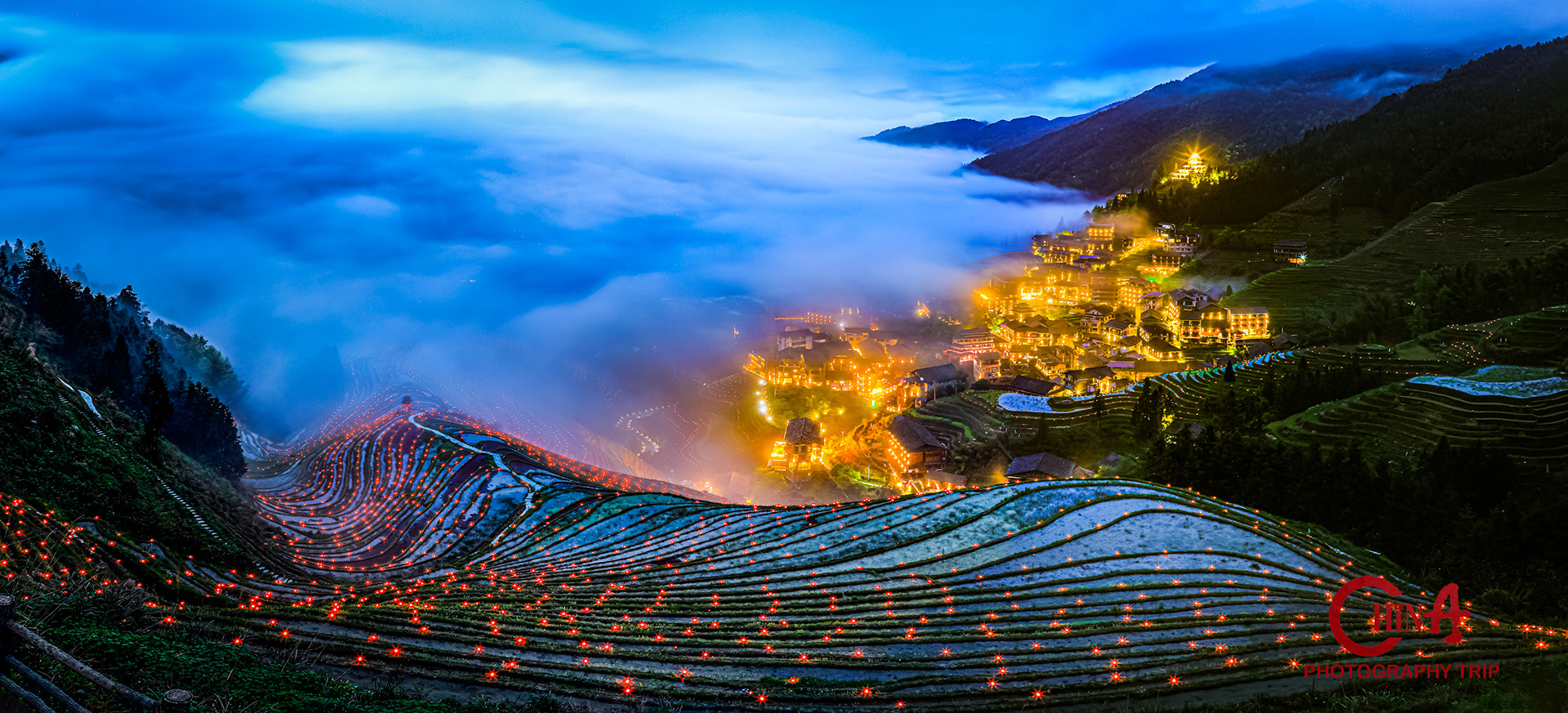
By late afternoon we are inside the Longji terrace system, where Yao and Zhuang farmers have been cutting contour lines into the mountain since the Yuan dynasty. We work the Jinkeng side first: through spring and early summer the terraces hold water, so the hillsides turn to mirrors at sunset, and after dark the village lights string out along the ridge below the cloud. We sleep over on the Ping’an side tonight.

Today’s shooting schedule
  • 06:30–07:45  —  Zhaoxing last light on the towers
  • 08:30–15:30  —  Transfer to Longji with a market-town stop
  • 17:30–20:00  —  Jinkeng Dazhai at sunset and after dark (ISO 100–1600, f/5.6–11, 2–8s, tripod)
Longji rice terraces lit golden at sunset above a Yao village
Longji — the terraces turn to mirrors at sunset
Jinkeng Dazhai at blue hour — lamp-lit terraces below the Yao village, cloud spilling over the ridge
Jinkeng Dazhai — the thousand-step ladder, lit after dark

✦ Overnight: Tianjian’ge, Ping’an Zhuang Village, Longji

Day
7
Longji: Ping’an → Xianggong Hill → Yangshuo

Seven stars around the moon, then the Li River

Dawn on the Ping’an side for Qixing Banyue — Seven Stars Around the Moon: seven small rounded terraces circling one larger one on the crown of the hill. The ridge path down into the village gives you the Zhuang houses, the drying racks and the water channels with the first light raking across them.

Then down off the mountain and south to Xianggong Hill, the terrace above the great horseshoe bend of the Li River, where the water wraps around a cluster of karst peaks and comes back on itself. It is the most photographed viewpoint in Guangxi for a reason, and we shoot it into sunset before dropping into Yangshuo for the night.

Today’s shooting schedule
  • 05:50–07:30  —  Seven Stars Around the Moon at first light (ISO 100, f/8–11, tripod)
  • 08:00–13:00  —  Ridge path and Zhuang village, then transfer to Xianggong Hill
  • 17:30–19:00  —  Xianggong Hill: the Li River bend at sunset (ISO 100–200, f/8–11, 24–70mm, tripod)
Rounded Longji terraces on the Ping'an side glowing in late light
Ping’an — Seven Stars Around the Moon
The Li River bend and karst peaks from Xianggong Hill at blue hour
Xianggong Hill — the bend at blue hour

✦ Overnight: Yuewu, Yangshuo

Day
8
Yangshuo & Xingping

The fisherman, the bamboo raft and the twenty-yuan view

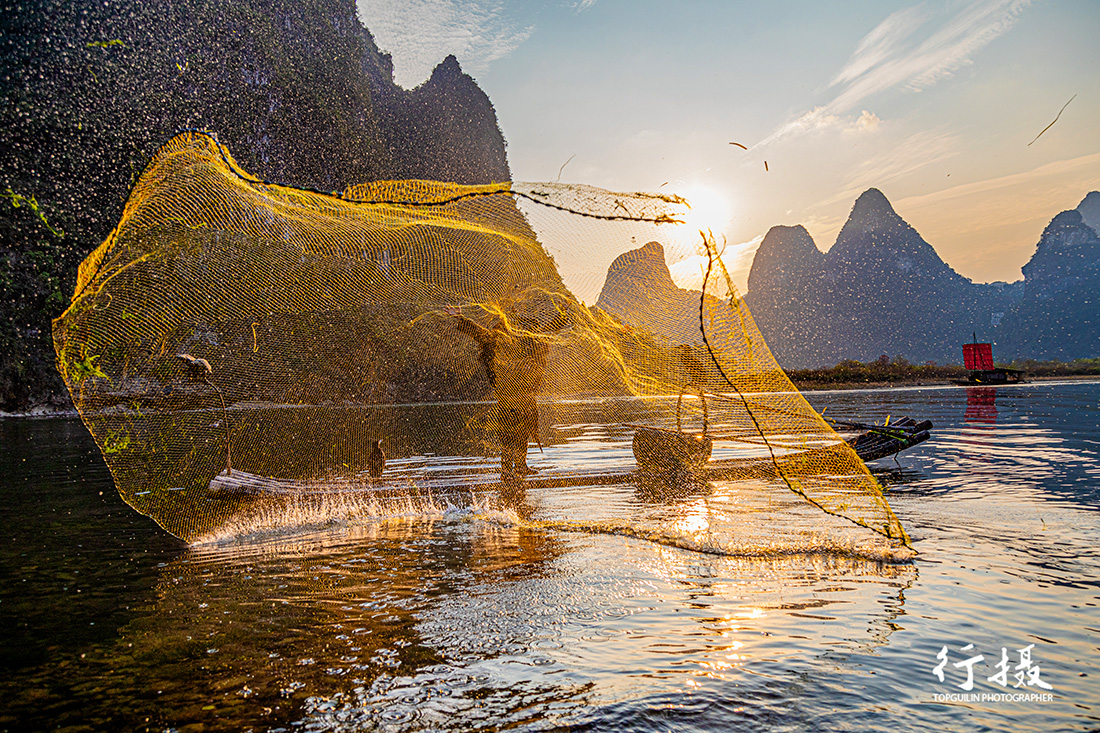
First light from the Xingping riverbank, then slow water work along the Li. Xingping is the stretch of river printed on the back of the twenty-yuan note, and it is still worked by fishermen with cormorants and bamboo rafts. We hire a fisherman — properly, by arrangement — and shoot him throwing the net against the karst backdrop while the river is still glassy.

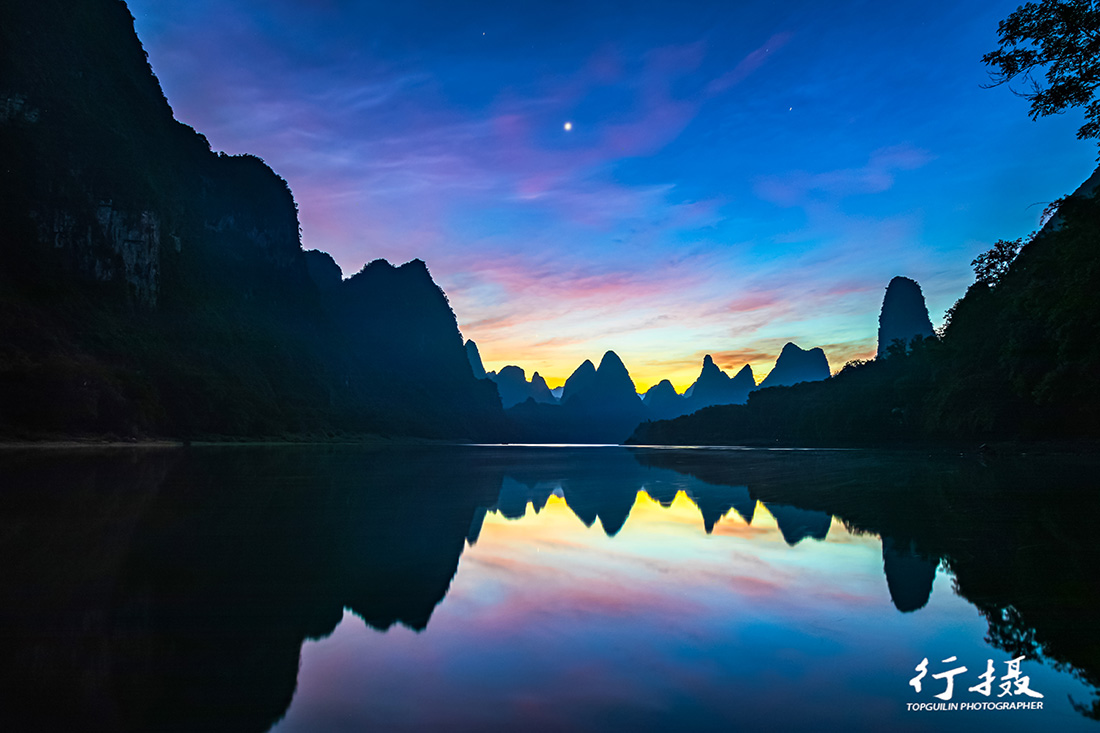
Late afternoon goes to Xialong for the reflected peaks and the raft traffic, then back to Xingping for sunset on the same bend that made the banknote. Between sessions there is time in Yangshuo town and on the back roads behind the limestone towers.

Today’s shooting schedule
  • 06:00–08:00  —  Xingping riverbank first light (ISO 200–400, f/5.6–8)
  • 09:30–11:30  —  Cormorant fisherman & net throwing on a raft (ISO 200–400, f/2.8–5.6, 70–200mm)
  • 17:00–19:15  —  Xialong reflections, then Xingping sunset (ISO 100–200, f/8–11)
A fisherman on a bamboo raft beneath karst peaks at Xingping at sunset
Xingping — the fisherman
Karst peaks reflected in the still Li River at Xialong near dawn
Xialong — reflections at dawn

✦ Overnight: Yuewu, Yangshuo

Day
9
Xianggong Hill dawn → Guilin

One more sunrise over the bend, then the city

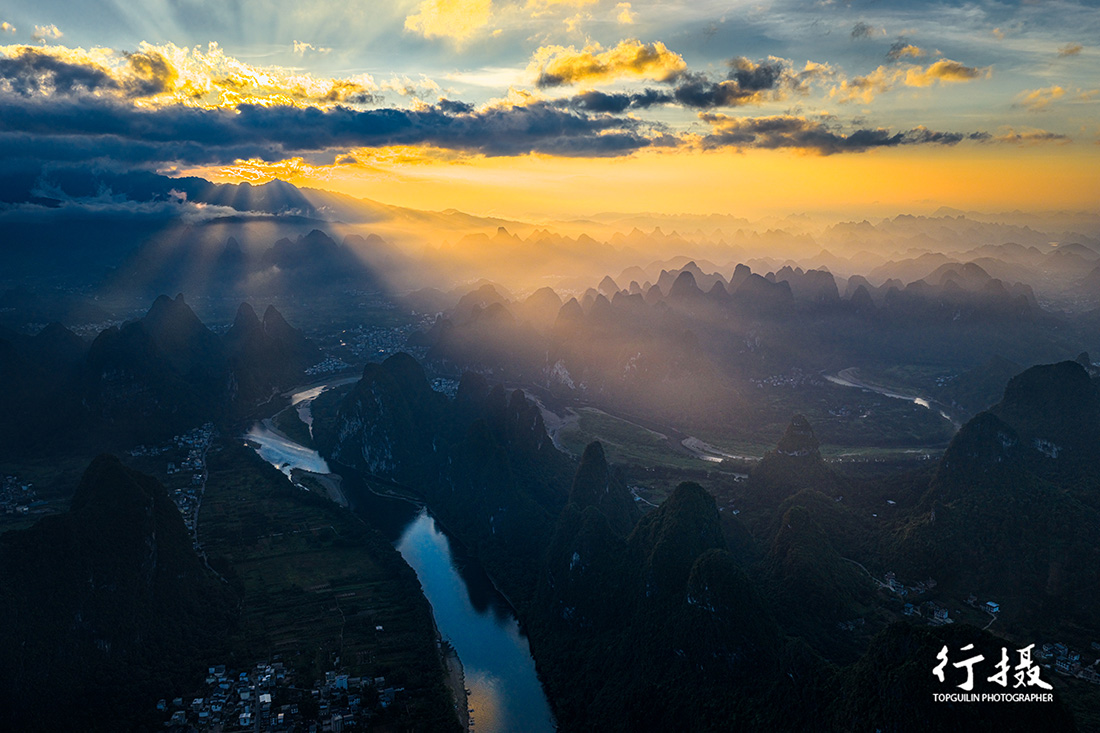
Back up Xianggong Hill before dawn. The platform faces east, so the light arrives over the peaks and rakes across the river; if there is low cloud in the valley the sun breaks it into shafts around 06:40. It is a different photograph from the sunset version we took two evenings ago.

Then into Guilin for the last daylight of the Guangxi leg: Elephant Trunk Hill, the old lanes of Dongxi Xiang, and after dark the Sun and Moon Pagodas standing in the Shanhu lake with their reflections doubled in the water. It is a city night shoot, and it closes the karst chapter.

Today’s shooting schedule
  • 05:40–07:30  —  Xianggong Hill sunrise and god rays (ISO 100–200, f/8–11, tripod)
  • 16:00–18:00  —  Elephant Trunk Hill and Dongxi Xiang old lanes (ISO 200–400, f/4–8)
  • 19:00–20:30  —  Sun & Moon Pagodas on Shanhu lake (ISO 800–1600, f/2.8–5.6, tripod)
Sunlight breaking through cloud over the Li River and karst peaks from Xianggong Hill
Xianggong Hill — god rays over the Li
The Li River bend and layered karst ridges at dawn from Xianggong Hill
Layered ridges at dawn

✦ Overnight: Jingguan Minglou, Guilin

Day
10
High-speed rail to Fenghuang

Into western Hunan by train

Guilin to Fenghuang is a high-speed rail day — roughly five hours with one change, which is faster and far less exhausting than the road. We take a morning train so that we arrive with the whole evening in hand, and the luggage travels in the vehicle that meets us at the other end.

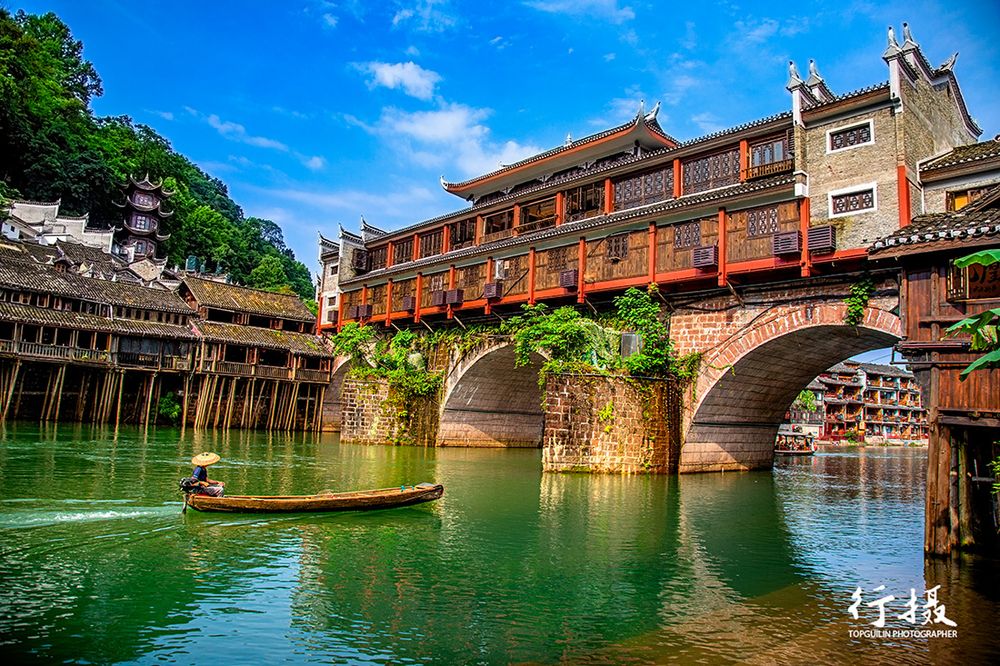
Fenghuang sits on the Tuo River with a Ming-era wall, a covered Hong Bridge and rows of stilt houses standing directly in the water. It is a Miao and Tujia town, and it is at its best after dark, when every house switches on a red lantern and the reflections run the length of the river. We shoot the arch bridge, the waterfront from the opposite bank, and the lantern street.

Today’s shooting schedule
  • 08:30–14:30  —  High-speed rail Guilin → Fenghuang
  • 17:30–19:00  —  Hong Bridge and stilt houses, last warm light (ISO 200–400, f/4–8)
  • 19:30–21:00  —  Tuo River lantern reflections from the far bank (ISO 800–3200, f/2.8–4, tripod)
Lantern-lit stilt houses along the Tuo River waterfront in Fenghuang at night
Fenghuang — the lantern waterfront

✦ Overnight: All Season Hotel, Fenghuang Ancient Town

Day
11
Fenghuang Ancient Town

Mist on the Tuo, then Miao silver

Fenghuang is worth waking up for: before the shops open, mist sits on the river, the stepping stones across the shallows come out of the water and the stilt houses stand in their own reflections. We are on the bank by 06:20.

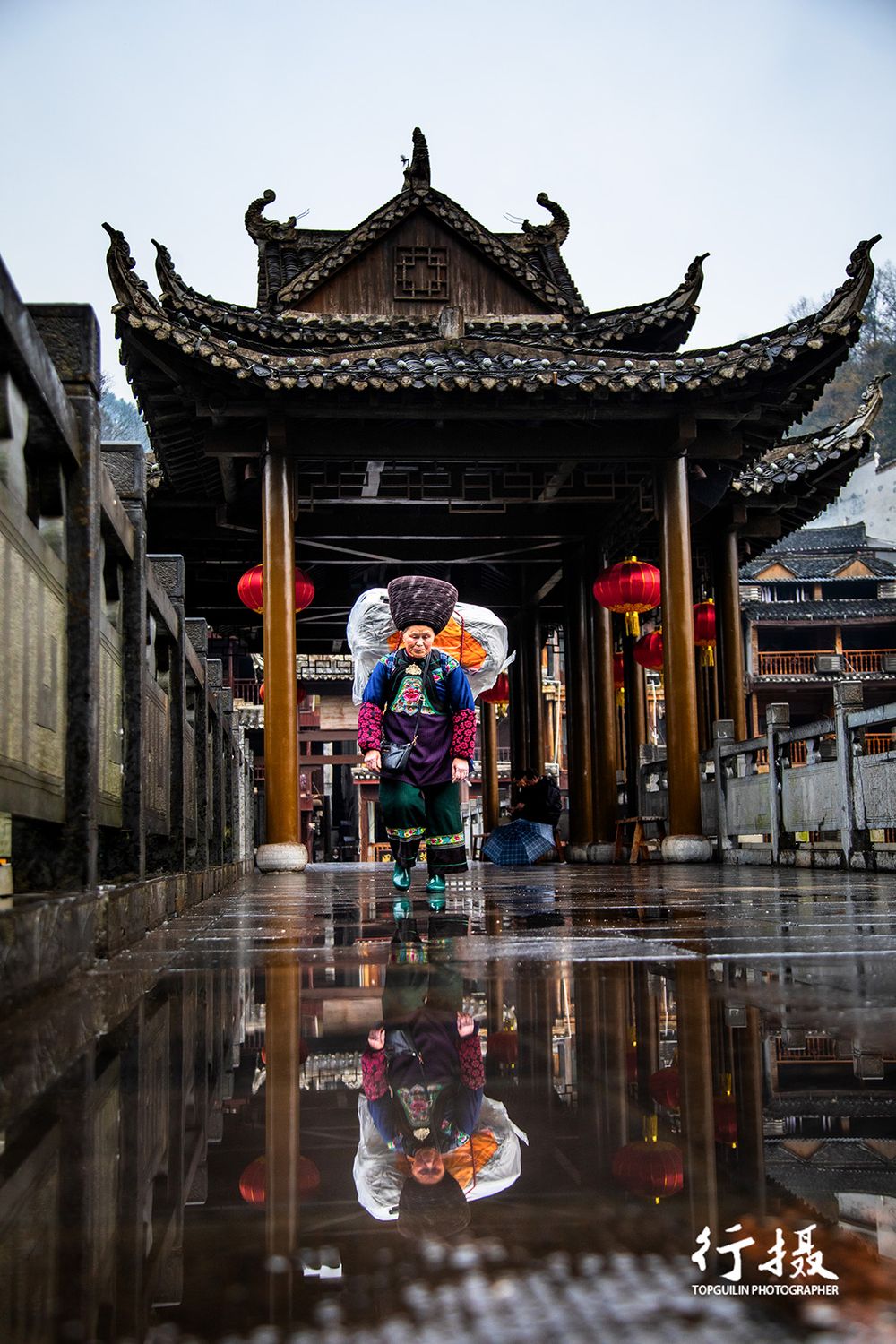
The afternoon is portrait time. Fenghuang is a Miao and Tujia town, and the costume here is different again from Xijiang — darker indigo, heavier silver, a different collar. We arrange two sittings under the eaves or in a courtyard, paid and unhurried, and close the day on the lantern streets after dark.

Today’s shooting schedule
  • 06:20–08:00  —  Tuo River mist, stepping stones, stilt houses (ISO 200–400, f/4–8)
  • 16:00–18:00  —  Miao costume portraits under the eaves (ISO 400–800, f/2–4, 85mm)
  • 19:30–21:00  —  Lantern streets and the arch bridge after dark (ISO 800–3200, f/2.8–4, tripod)
Wooden stilt houses standing in the Tuo River at Fenghuang in daylight
Fenghuang — stilt houses in the river
A woman walking through a lantern-hung street in Fenghuang old town at night
A lantern street at night

✦ Overnight: All Season Hotel, Fenghuang Ancient Town

Day
12
Fenghuang → Furong Town

A town built on a waterfall

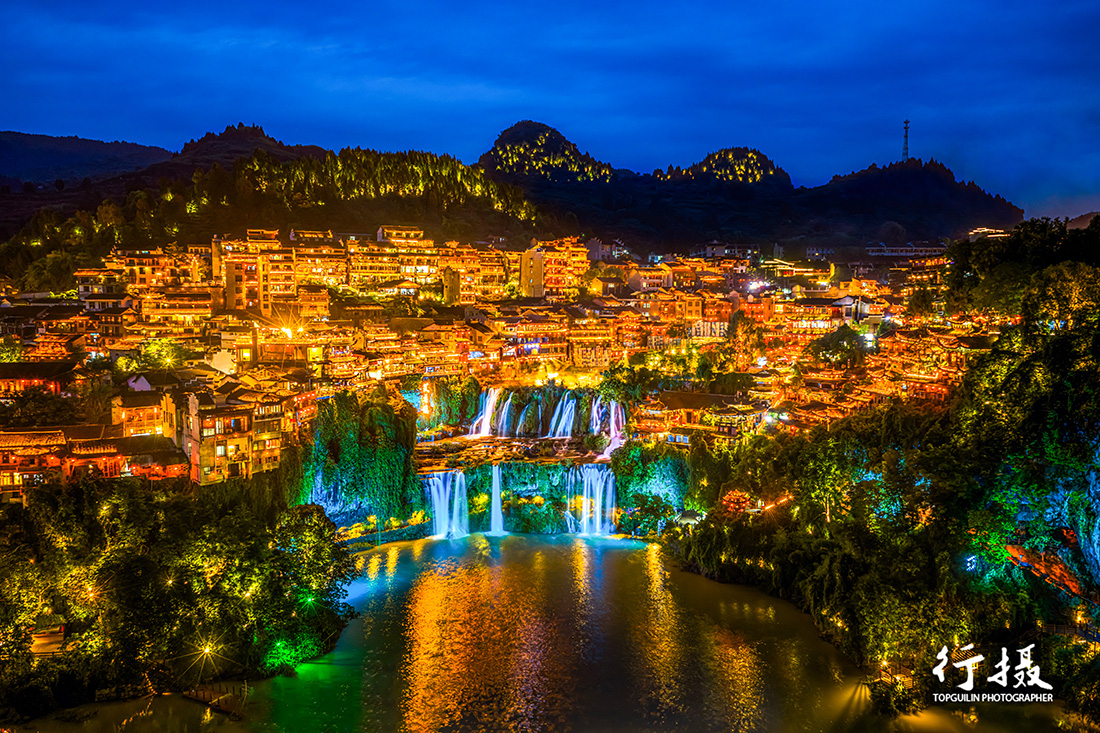
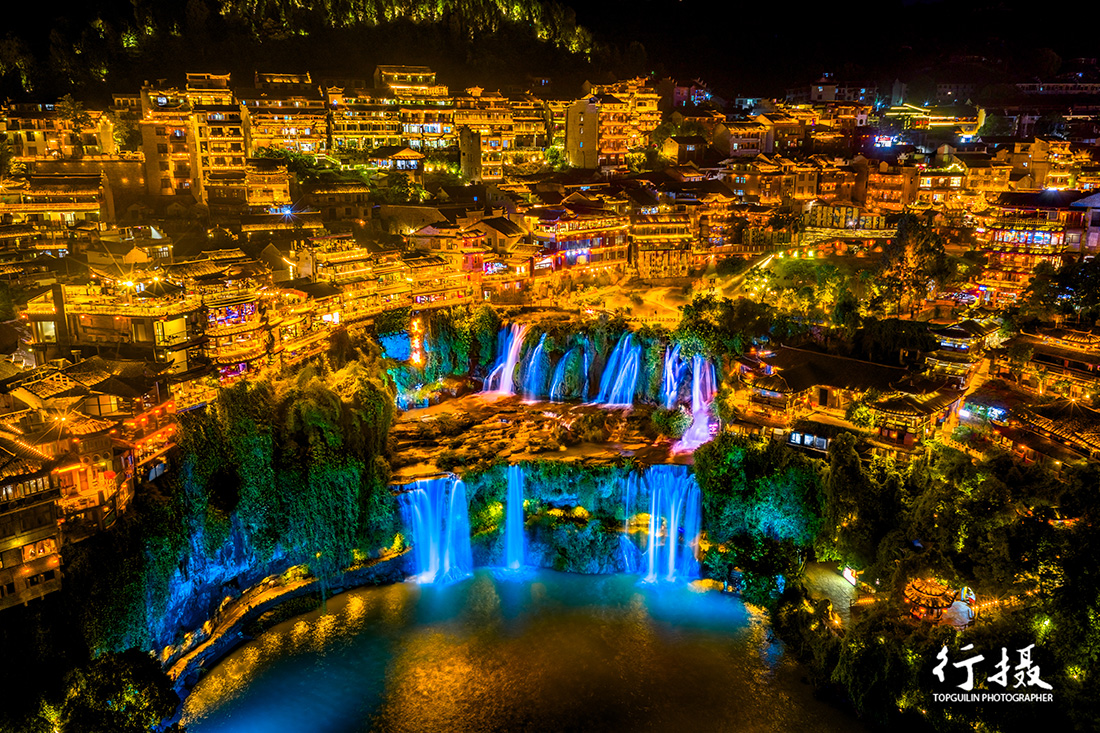
A slow morning on the water: the flagstone lanes, the covered bridge, and the houses seen from the far bank with the washing lines out. Then north by road to Furong, an old Tujia settlement that quite literally sits on a waterfall — two tiers of water drop sixty metres behind and through the houses, and the whole cliff face is lit after dark.

Furong is the best long-exposure subject of the tour: bring an ND filter and a cable release. The falls are at their most dramatic in summer; in dry months they thin, but the lanterns and the cliff still work. There is no rail here and no shuttle — it is a walking town, and that is the point of it.

Today’s shooting schedule
  • 07:00–09:30  —  Fenghuang lanes and the covered bridge (ISO 200–400, f/4–8)
  • 10:00–14:00  —  Transfer to Furong Town (2.5 h); daytime scouting of the falls
  • 19:00–21:00  —  Furong falls long exposure & lantern-lit cliff (ISO 100, f/11, 1–4 s, ND filter, tripod)
Furong Town's stilt houses on the cliff under morning cloud
Furong Town — the cliff under cloud
Furong Town at night with water pouring down the cliff beside lantern-lit stilt houses
Furong Town — the falls pour through the houses

✦ Overnight: Furong Ancient Town

Day
13
Furong → Zhangjiajie National Forest Park: Yangjiajie & Yuanjiajie

Into the pillar forest, and a night on the mountain

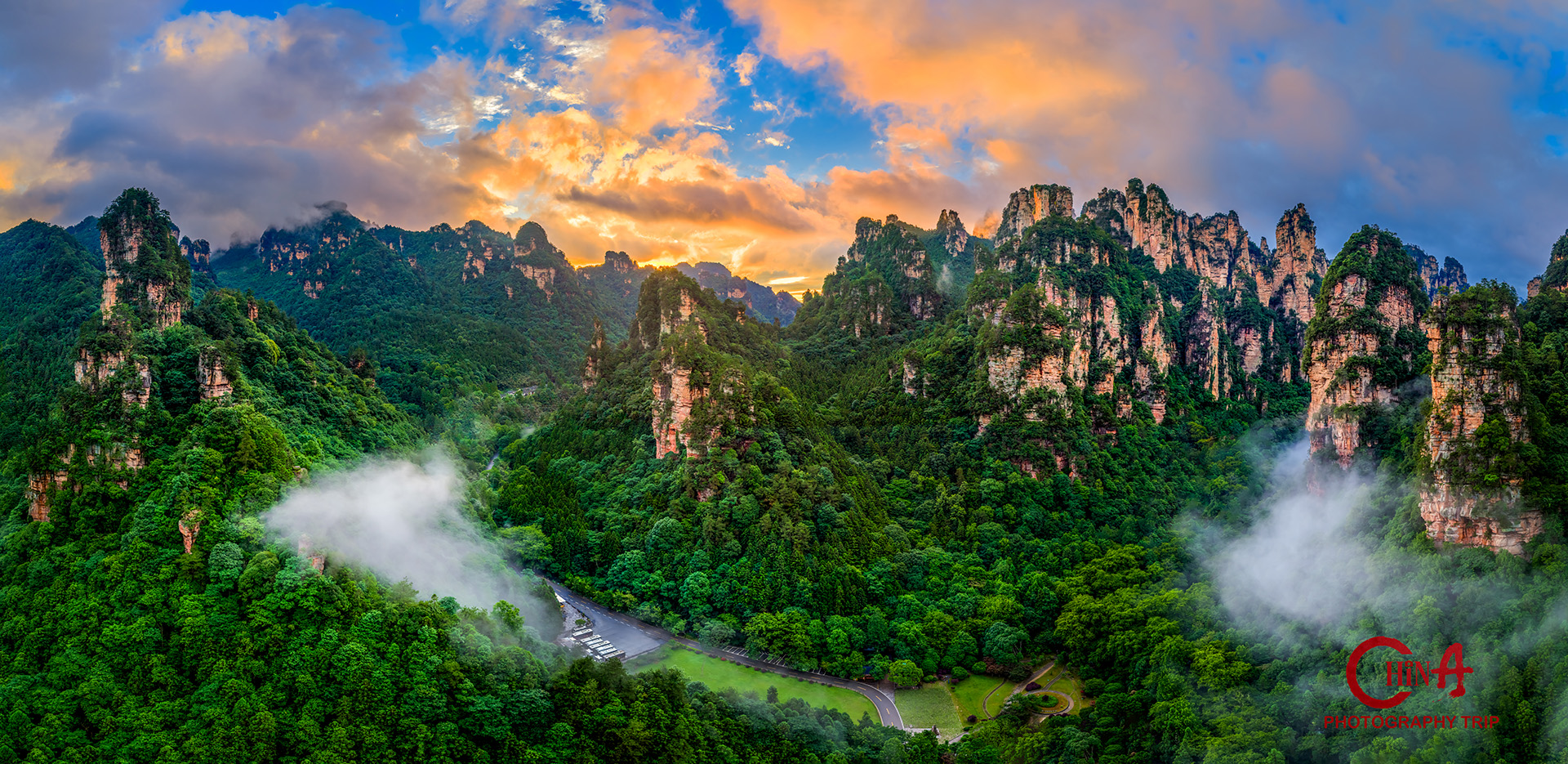
Two hours north, then through the gate of Zhangjiajie National Forest Park and up by shuttle and cable car into the quartz sandstone pillar forest — more than three thousand columns, many of them several hundred metres tall, each standing in its own weather. Yangjiajie is the quietest corner of the park, and the Natural Great Wall there is a kilometre-long ridge of rock that reads exactly like fortification.

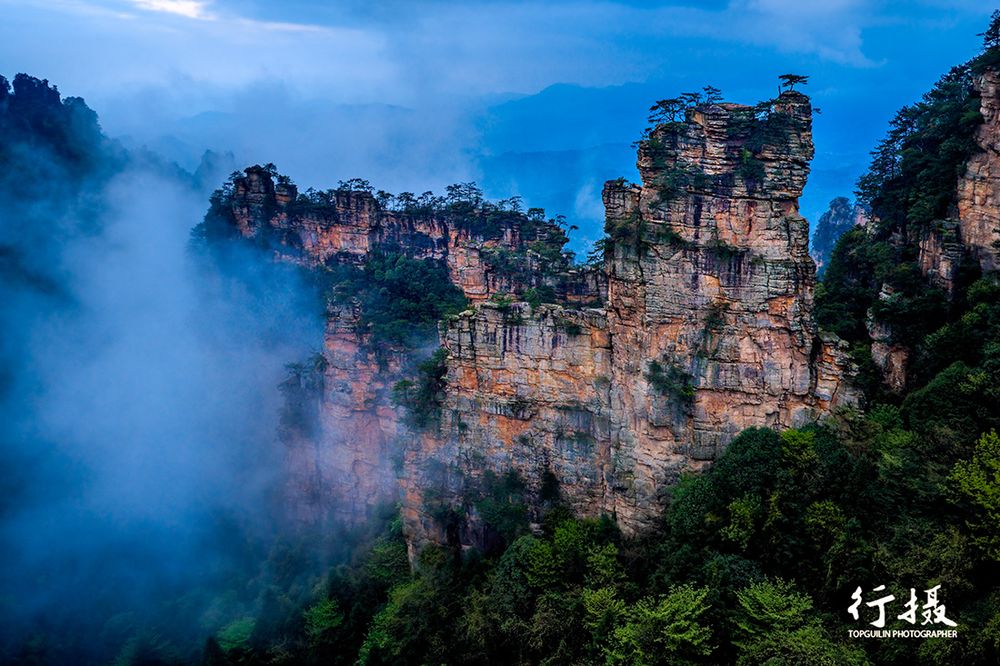
Yuanjiajie is the famous one: home of the pillar the film borrowed as its floating mountain, and of the First Bridge Under Heaven, a natural arch spanning two peaks with nothing underneath it but air. We stay inside the park tonight, on the mountain — the only way to be standing on a platform before the first shuttle of the day arrives.

Today’s shooting schedule
  • 08:00–12:00  —  Transfer to the park; Yangjiajie Natural Great Wall (ISO 100–400, f/8–11, polariser)
  • 14:00–17:30  —  Yuanjiajie: floating pillars, First Bridge Under Heaven (ISO 100–400, f/5.6–11, 24–70 & 70–200mm)
  • 18:30–19:30  —  Ridge sunset from the summit plateau (ISO 200–800, f/8, tripod)
The Natural Great Wall at Yangjiajie, a long sandstone ridge of columnar rock
Yangjiajie — the Natural Great Wall
The towering sandstone pillar at Yuanjiajie known as the floating mountain, cloud below
Yuanjiajie — the floating mountain

✦ Overnight: Summit hotel inside Zhangjiajie National Forest Park

Day
14
Tianzi Mountain & the Ten-Li Gallery

Sunrise above three thousand columns

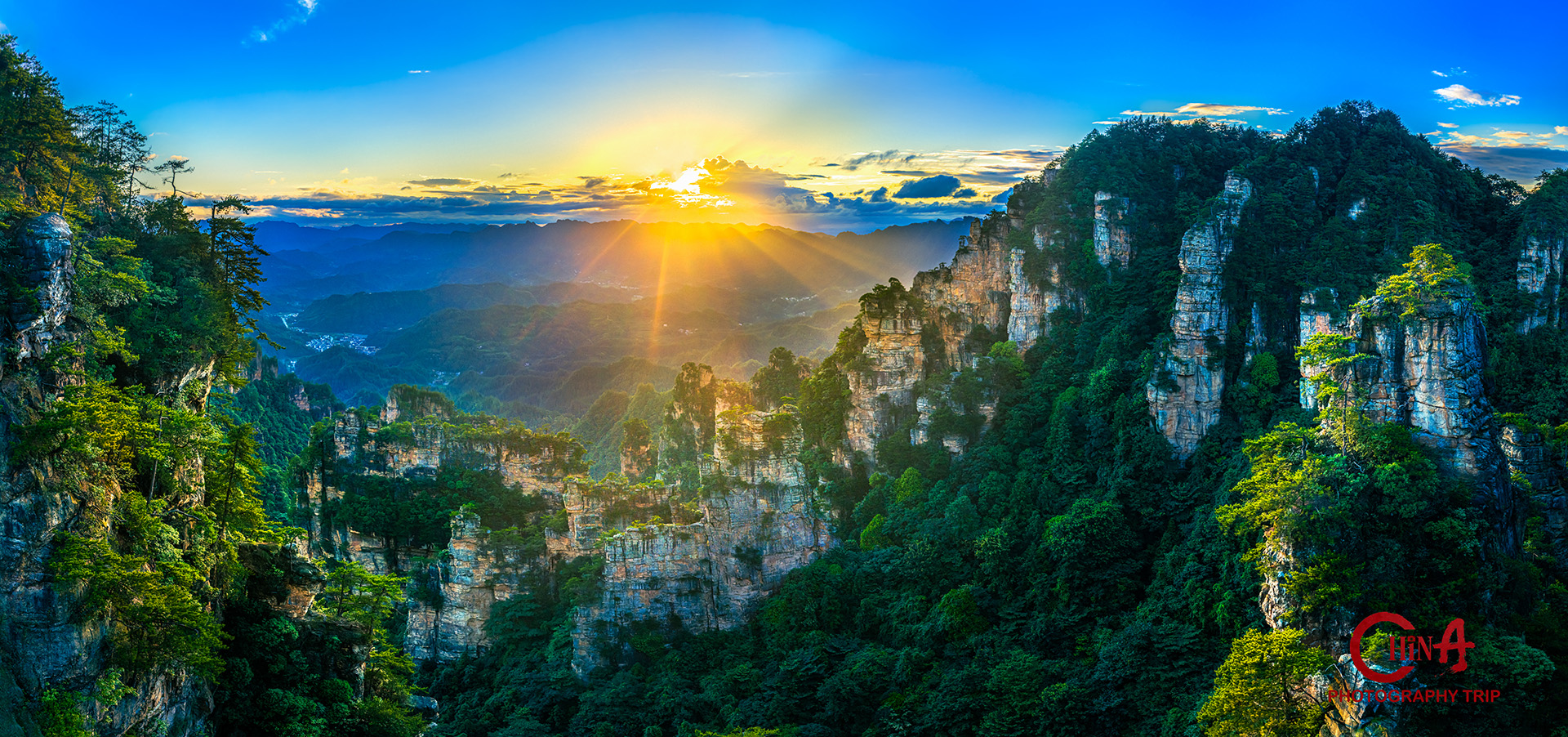
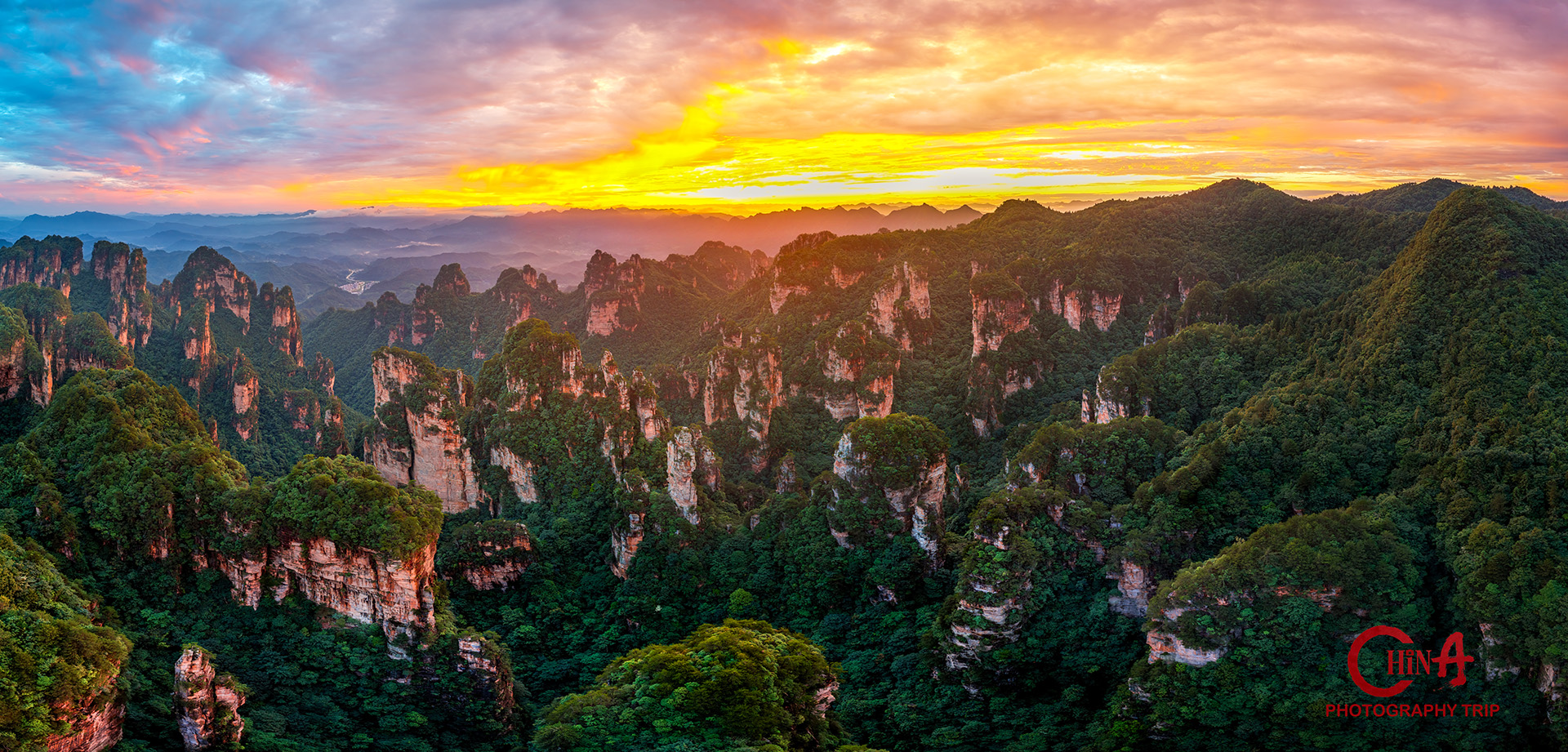
We are already up here, which changes everything: Tianzi Mountain at 06:00 belongs to the people sleeping inside the park and to nobody else. The platforms look out over the pillar sea — and on perhaps one morning in three a cloud sea fills the valleys between the columns, and the peaks stand in it like islands.

Late morning down into Shilihualang, the Ten-Li Gallery, where the pillars line up along a valley floor, and on to Golden Whip Stream for water and shade under the cliffs. The last session is deliberately flexible: whatever the two previous days failed to deliver, we go back for.

Today’s shooting schedule
  • 05:50–07:30  —  Tianzi Mountain sunrise and cloud sea (ISO 100–400, f/8–11, tripod, grad filter)
  • 09:30–12:30  —  Shilihualang Ten-Li Gallery (ISO 100–400, f/8–11, 70–200mm)
  • 15:00–18:30  —  Golden Whip Stream, then a flexible last session (ISO 200–800, f/5.6–11)
Sunrise gold light breaking over a sea of cloud among the Zhangjiajie sandstone peaks
Sunrise over the pillar sea
Zhangjiajie sandstone pillars rising out of a white sea of cloud
Columns standing in cloud

✦ Overnight: Summit hotel inside Zhangjiajie National Forest Park

Day
15
Zhangjiajie National Forest Park → Tianmen Mountain

A hole in a mountain and ninety-nine bends to reach it

We come down out of the park in the morning — one last pass along the rim if the cloud is doing something — and drive back into Zhangjiajie city for the last full shoot of the tour. Tianmen is reached by one of the longest cable cars in the world: twenty-eight minutes from the station to the summit.

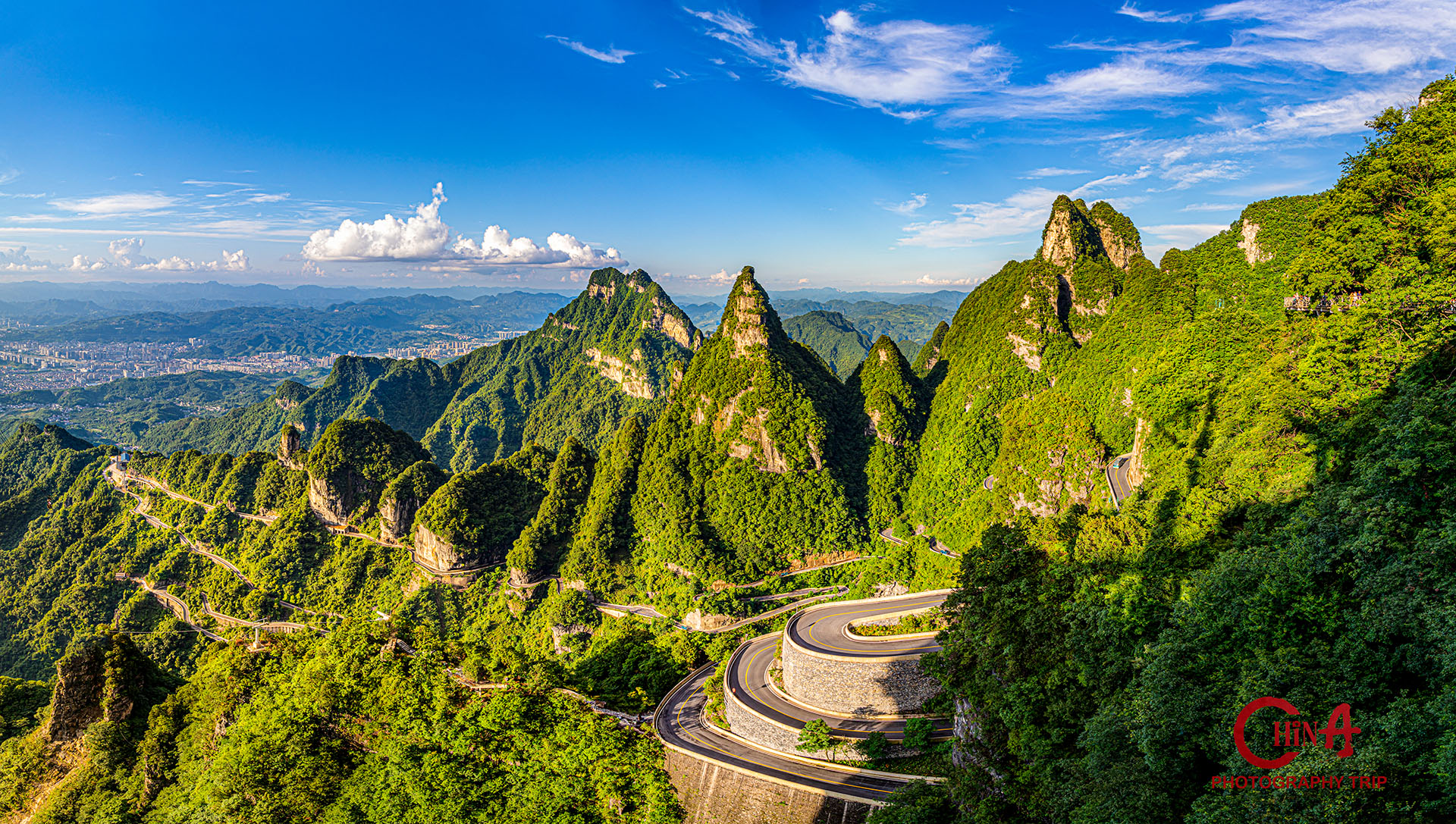
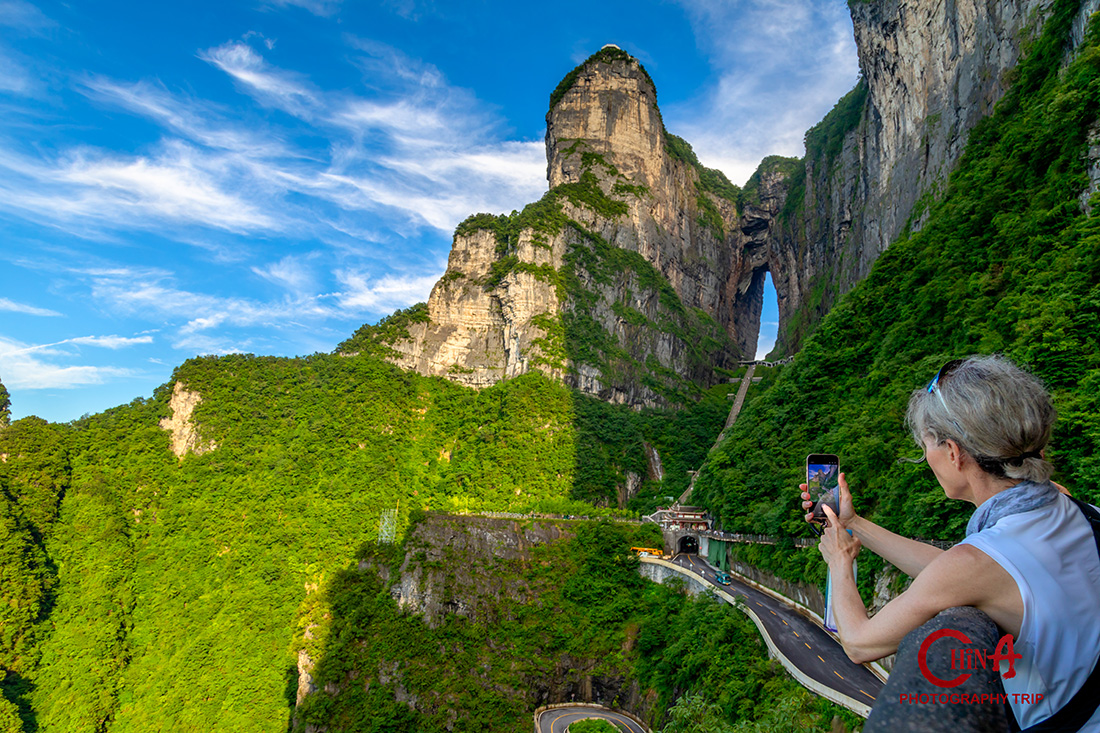
Tianmen Cave is a natural arch a hundred and thirty metres high straight through the mountain; the stairway up to it has 999 steps and is the shot everyone wants, so we shoot it early and from the side as well as head-on. The road down is the other icon: ninety-nine hairpin bends stacked in eleven switchback layers, best photographed from the platforms above rather than from the bus. Overcast is not a loss here — mist is what separates the pillars.

Today’s shooting schedule
  • 07:00–10:00  —  Cable car ascent, cliff walkways, Tianmen Cave (ISO 100–400, f/5.6–11)
  • 11:00–14:00  —  Glass walkway and summit cloud deck (ISO 100–200, f/8–11, polariser)
  • 15:30–18:00  —  The 99 bends from the upper platforms (ISO 100–200, f/8–11, 70–200mm)
Panorama of Tianmen Cave with the winding mountain road below
Tianmen Cave — the arch and the road
The natural arch of Tianmen Cave seen from below with the stairway
The natural arch from below

✦ Overnight: Garden Holiday Hotel, Zhangjiajie city

Day
16
High-speed rail to Hong Kong

Last light, then the train home

We come down from the mountain and put you on the train: Zhangjiajie West to Hong Kong West Kowloon, roughly seven hours with one change, back in the city by evening. If your schedule allows an earlier start we add one optional dawn session on the canyon rim first — whichever view the previous days left unresolved.

Either way we do a short review together before you go: a first pass through your selects, and the honest note on which frames still need work. Most guests leave with four or five keepers per day and one they did not expect.

Today’s plan
  • Optional 06:00  —  Final dawn session on the canyon rim
  • Morning  —  Image review with your guide; transfer to Zhangjiajie West
  • Afternoon  —  High-speed rail to Hong Kong West Kowloon
Morning cloud sea filling a Zhangjiajie canyon below the cliff-top path
One last morning over the cloud sea

✦ Overnight: Tour ends — high-speed rail to Hong Kong

Faces & Craft

Portrait work, not stolen moments

Every sitting on this tour is arranged in advance through the village, agreed with the person in front of the camera, and paid for. That is slower than shooting from the hip — and it produces the frames people actually keep.

A Dong woman in Zhaoxing wearing traditional indigo costume and silver ornaments
Dong costume and silver — Zhaoxing
A multi-tiered Dong drum tower in Zhaoxing lit from within at night
A drum tower, lit from within
Camera Settings Guide

Settings we use on this route

Starting points for each condition — your guide adjusts them on location and explains every change.

👤
Village portraits in shade
ISO 200–400 · f/2–4 · 1/125–1/320s

Doorways and eaves are the studio: put your subject just inside the shadow line and let the courtyard bounce fill. Focus on the near eye; silver headdresses fool autofocus.

🌎
Ceremony, wine gates, dancing
ISO 400–1600 · f/2.8–4 · 1/125–1/500s

Nothing holds still. Shoot bursts at 1/250 or faster, pre-focus on a fixed point in the stairway, and let the ISO climb — grain beats blur every time.

🌅
Lanterns and blue hour
ISO 800–3200 · f/2.8–5.6 · 1/4–1/60s

The window is ten to fifteen minutes after the lamps come on. Bracket, keep the highlights on the lanterns, and shoot the reflection a stop darker than the building.

🎒
Waterfall & terrace long exposure
ISO 100 · f/11–16 · 1–4s · ND8–ND64

Two seconds turns Furong’s falls to silk and keeps the lanterns readable; longer than four and the highlights blow. Mirror up, cable release, weight the tripod.

Good to Know

Practical notes before you book

This is a people-first itinerary. The logistics matter less than knowing how to behave in a village you have been invited into.

Best season

May–June for terraces holding water; September–October for harvest gold and clear festival weather. Winter is quiet and grey but the villages are at their most real.

Fitness

Stone stairways and terrace paths most days — Longji and Tianmen both involve real climbing. If you can walk an hour uphill with a 6 kg bag, you are fine.

Etiquette

Ask before every portrait, through your guide. We pay sitters, we send prints back, and we never photograph inside a home, at a shrine or during mourning without an explicit yes.

Bring with you

A fast prime (35 or 85mm), a mid-zoom, a sturdy travel tripod, ND and polariser, two spare batteries for cold dawns, and rain cover — mist is the point, but it is also wet.

Sixteen days, six peoples, four provinces

Groups are capped at four photographers so every portrait sitting stays personal and every tripod gets the platform. Festival dates move with the lunar calendar — tell us your window and we will aim the route at them.

Plan My Minority Culture Tour → Guizhou Location Guide
More Journeys

Across China

All Photo Tours →
7 Days

Guizhou Villages & Fanjing

Zhaoxing Dong, terraced fields and the misty peak of Fanjingshan.

View Tour →
5 Days

Zhangjiajie Avatar Mountains

Pillar forests at sunrise and cloud seas at sunset.

View Tour →
12 Days

Xinjiang Autumn

Kanas, Hemu and the granite gorge of Koktokai in autumn larch.

View Tour →