Guilin & Longji Rice Terraces Photo Tour — 2026 Trip Report
Guilin is the China most people picture before they arrive — karst peaks rising out of mist, a river bending between them, and terraces cut into the mountains like contour lines. Our 2026 departure ran the classic loop: the Li River at dawn, Xianggong Hill for the big bend, and Longji for the terraces turning to mirrors at sunset. This is the trip report.
The Li River ink-wash dawn
The famous frame is an ink-wash painting: layered karst ridges fading into mist, a fisherman on a bamboo raft, still water. The window is narrow — the best light is the twenty minutes after the sun clears the ridge, before the tour boats stir the surface. We positioned at Xialong before first light and worked the reflections while the river was a mirror. A polariser here is essential to hold the sky-to-water contrast without blowing the highlights.
Xianggong Hill: the bend, twice
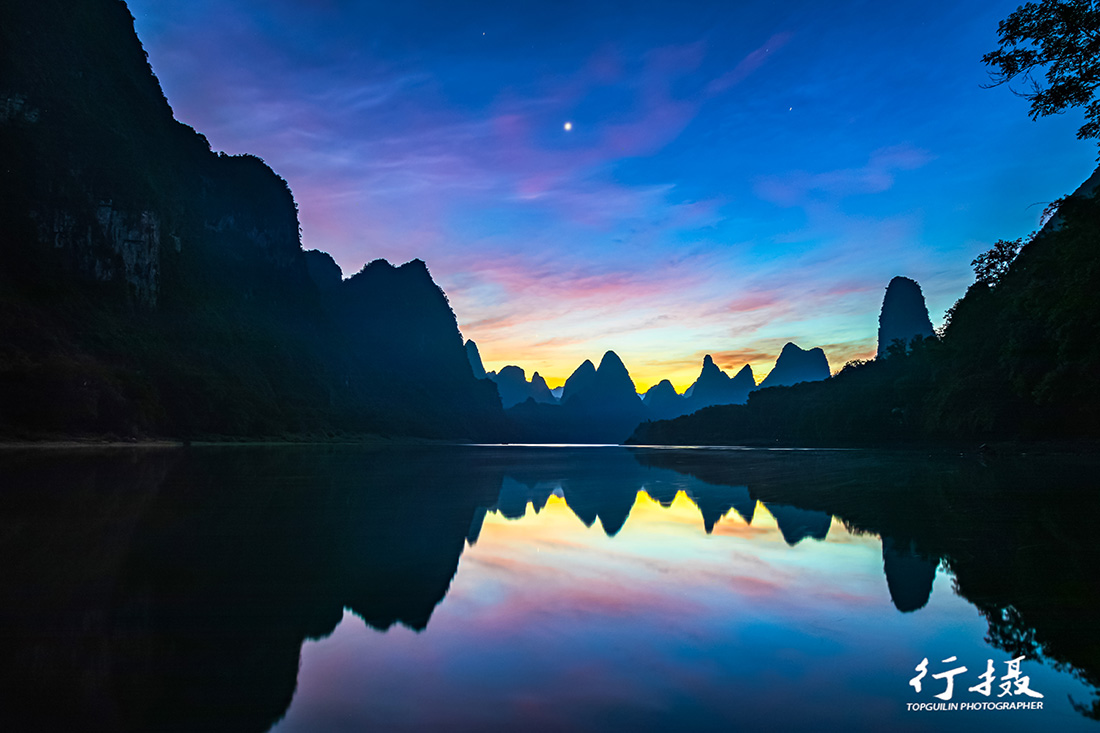
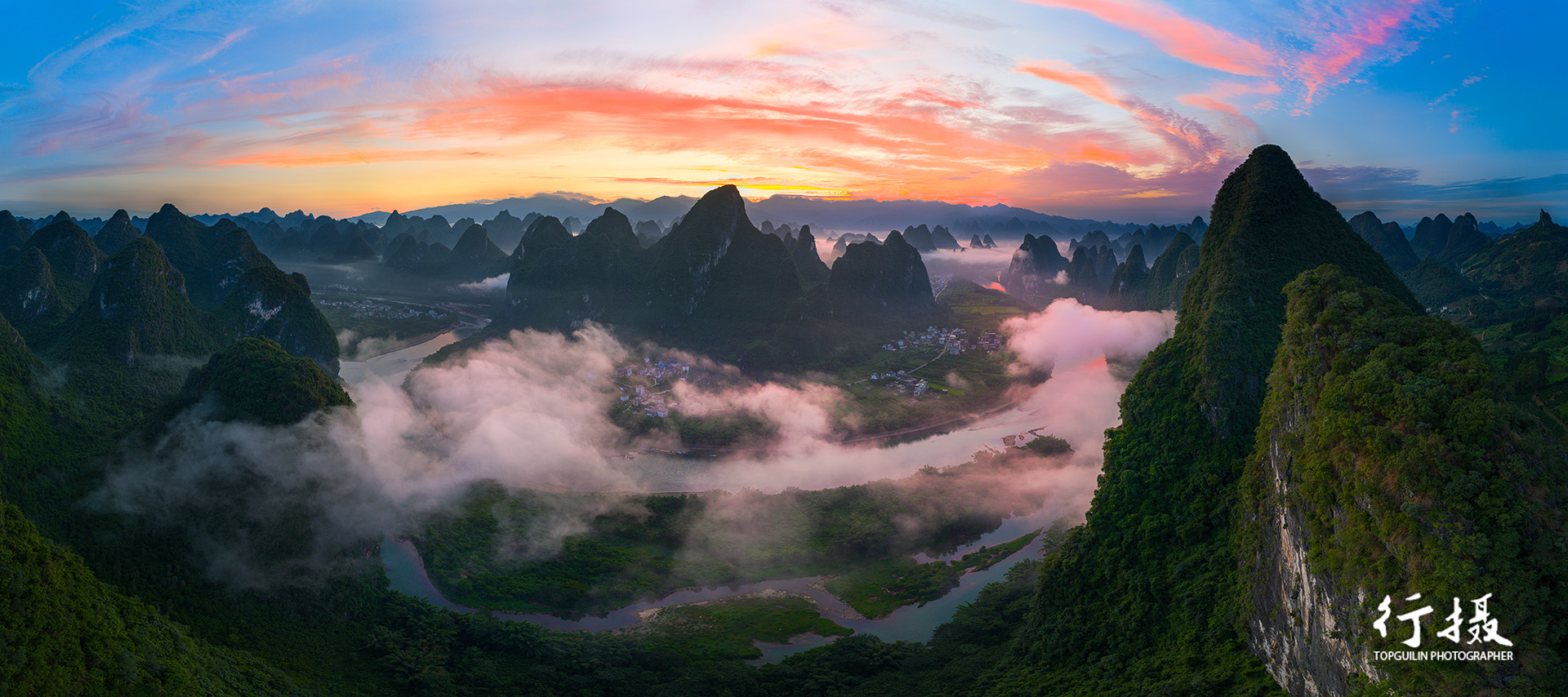
Xianggong Hill gives you the postcard view of the Li River's great horseshoe bend, but the real lesson is shooting it twice. At blue hour the peaks are silhouettes against a cooling sky; at sunrise, god-rays break through the cloud and the ridges separate into layers. Guests who stayed for both frames left with two completely different photographs of the same bend.
Longji: the terraces turn to mirrors
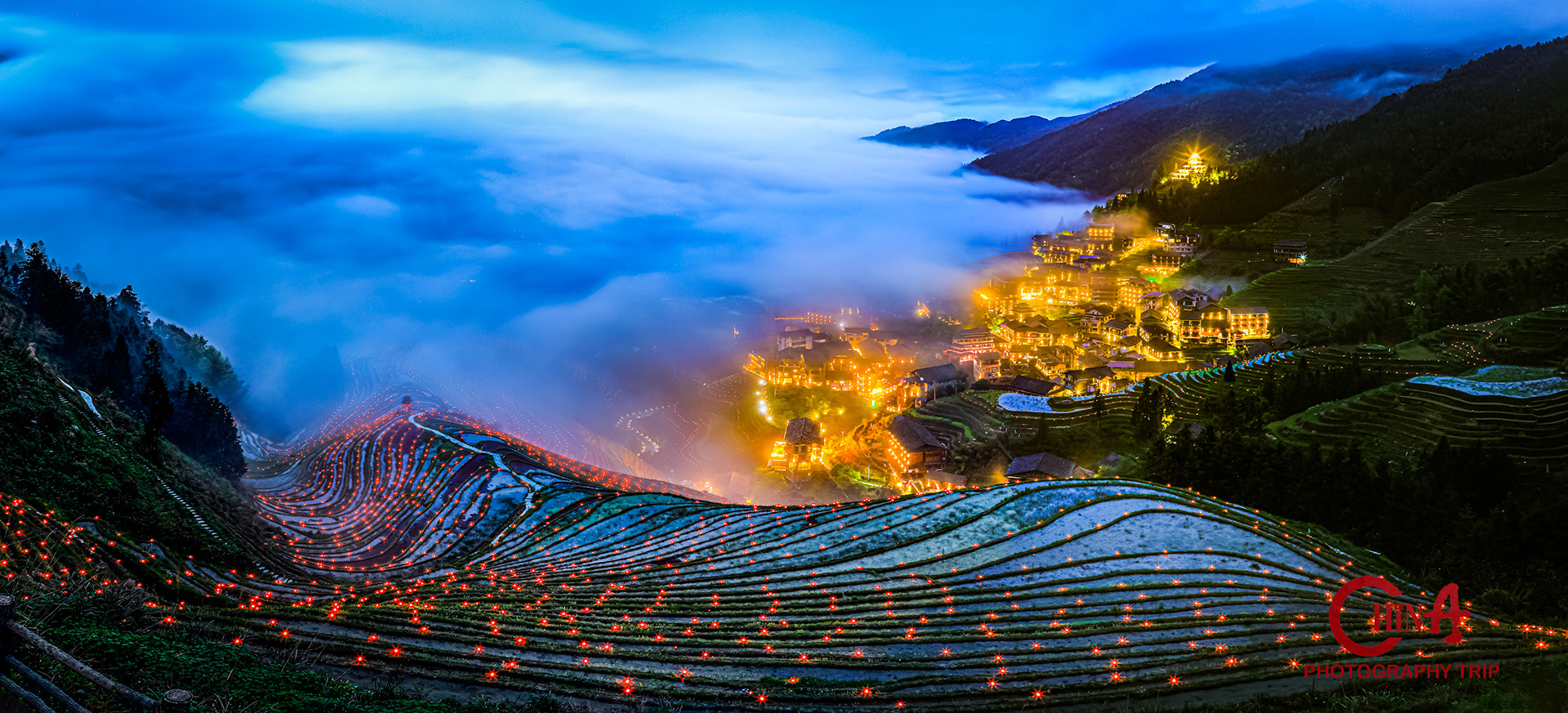
By late afternoon we were inside the Longji terrace system. Through spring and early autumn the terraces hold water, so the hillsides turn to mirrors at sunset; after dark the village lights string out along the ridge. We worked the Jinkeng side first, then dropped to Ping'an for the Seven Stars Around the Moon terraces glowing in the last light. The thousand-step ladder, lit after dark, was the frame everyone came for.
What our guests took home
Six days, and the group had the full Guilin set: a misty Li River, a lit Xianggong bend, and terraces glowing under a Yao village. If you joined this departure, go back to the Journal and type your name into the search bar — it will take you straight to this report and your trip's photos.
